Search results for “neuroscience”

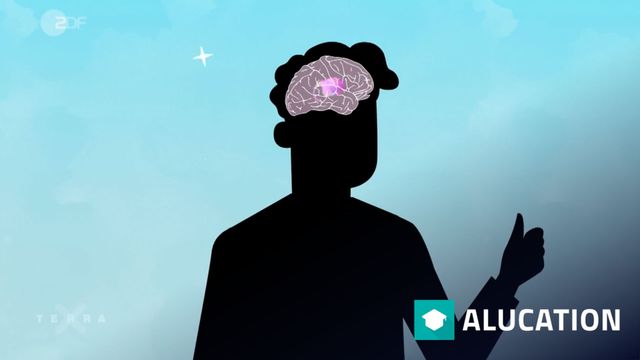
Libet Experiment - Neuroscience and Free Will

In 1980, Benjamin Libet wanted to find out whether our brains were preparing for movement before we were aware of it. He set up an experiment to monitor brain activity and found that our brain becomes active 500 milliseconds before the conscious decision to move. What does this say about free will?
How does advertising affect our brain?

Neuroscience has deciphered what has to happen in the brain for us to buy products. Two centers in particular compete here: our reward system and pain processing. Author: 3sat/nano/medicine/Dunja Keuper/Johannes Kröger, Marius Jelonek/Catrin Füller Translation and dubbing: alugha Click here to se

Aesthetic Experiences in the Brain Network

For more Science Videos: https://lt.org/ * Aesthetic experiences make a vital contribution to our lives. In this video, focusing on responses to artwork, architecture and natural landscapes, EDWARD VESSEL explores how aesthetic experiences function in the brain. * Employing functional Magnetic Reso

10 Surprising Facts About How Our Brains Work

Are you a fan of neuroscience? Are you curious about how our brain works? The nervous system? And the psychology of how our brain functions? Cognitive psychology was one of my favourite psychology class in my undergraduate studies, and these are the 10 interesting psychology facts that I remember. D

Learning to learn 13 tips from brain research

Learn for life or exams like scientists and brain researchers would. Sources: Brain capacity https://www.scientificamerican.com/article/what-is-the-memory-capacity/ Interrupted repetitions: https://www.science.org/doi/10.1126/science.1249098 https://www.alzforum.org/news/research-news/while-you-we

The Placebo Effect

A placebo is a treatment that has no therapeutic effect, but still heals, as if by magic. Common placebos include sugar pills, saline injections, other treatments, and surgeries that are completely played. Placebos are particularly effective in treating pain, chronic stress-related diseases such as

The Multi-Store Model How memories are created

As you read this text, your eyes send signals to your working memory, which briefly stores each word to ensure that you understand the sentence without confusion. The reason you understand what you're reading is because of your long-term memory—at least that's the theory of the multi-store model of

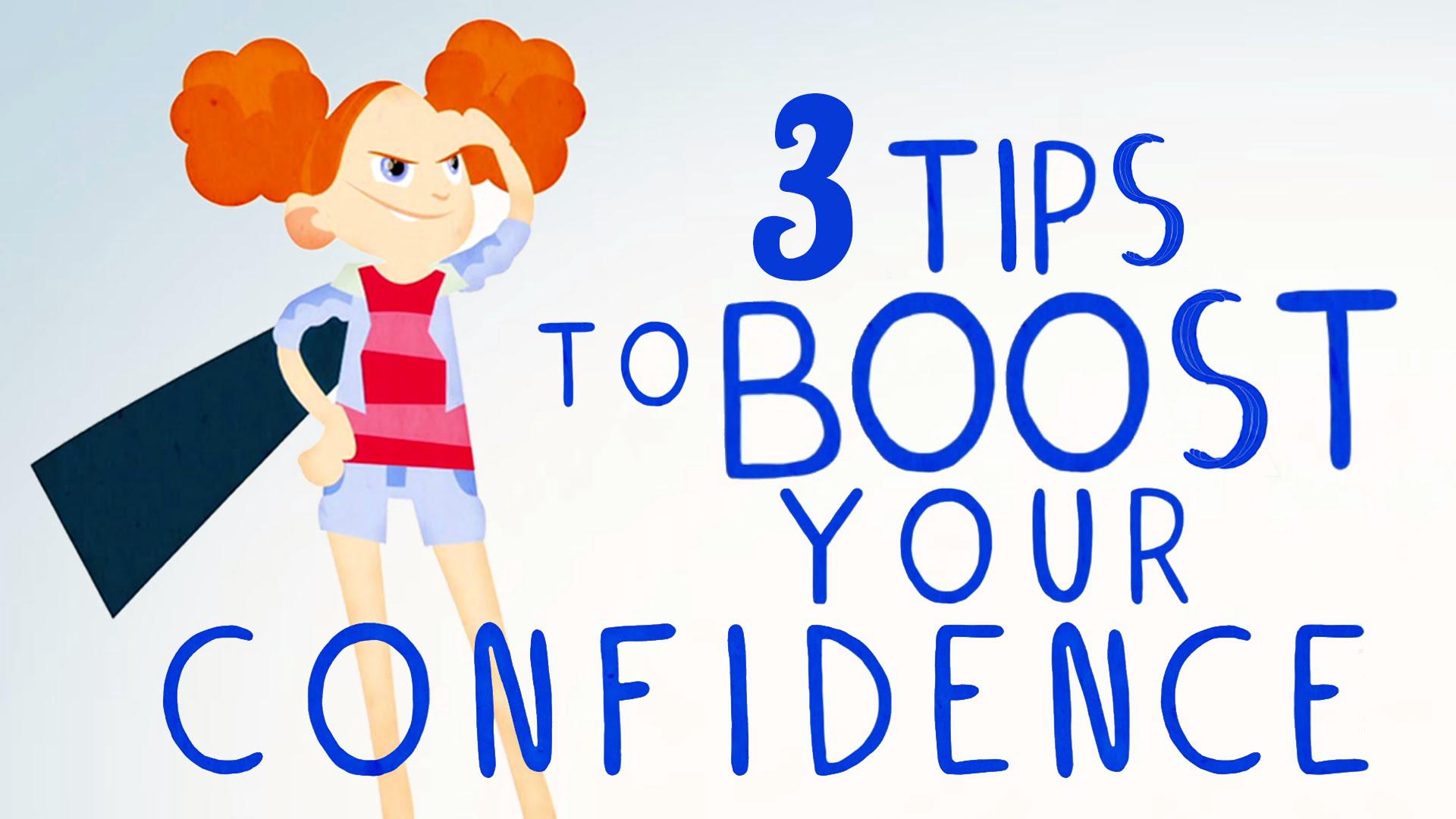
3 tips to boost your confidence - TED-Ed

View full lesson: http://ed.ted.com/lessons/3-tips-to-boost-your-confidence-ted-ed Made in partnership with the Always #LikeAGirl campaign. When faced with a big challenge where potential failure seems to lurk at every corner, you’ve probably heard the advice, “Be more confident!” But where does c

This Is Your Brain On Music

What happens to your brain when you listen to music? Life Noggin Team: Animation by Steven Lawson Director/Voice: http://lifenogg.in/patgraziosi Executive Producer: http://lifenogg.in/IanDokie Director of Marketing: http://lifenogg.in/JaredOban Writer: http://lifenogg.in/KayleeYuhas Sources: http

What would happen if you didn’t sleep? - Claudia Aguirre

View full lesson: http://ed.ted.com/lessons/what-would-happen-if-you-didn-t-sleep-claudia-aguirre In the United States, it’s estimated that 30 percent of adults and 66 percent of adolescents are regularly sleep-deprived. This isn’t just a minor inconvenience: staying awake can cause serious bodily