Search results for “bacteris intestinals”

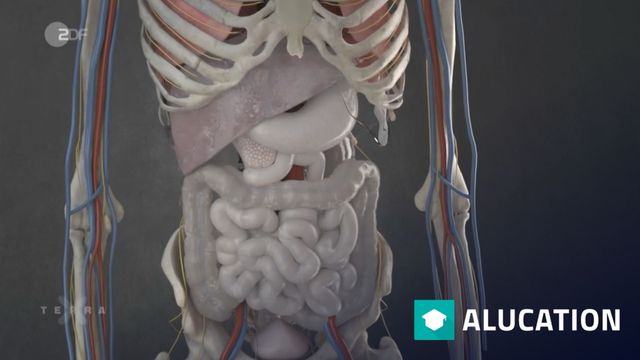
Glucose intake via the small intestine

In the small intestine, enzymes break down the long molecular chains and release glucose. It passes through the intestinal wall and enters the blood, causing the blood glucose level to rise. The hormone insulin transports the glucose into the body's cells. The blood sugar level drops. Author: ZDF/3

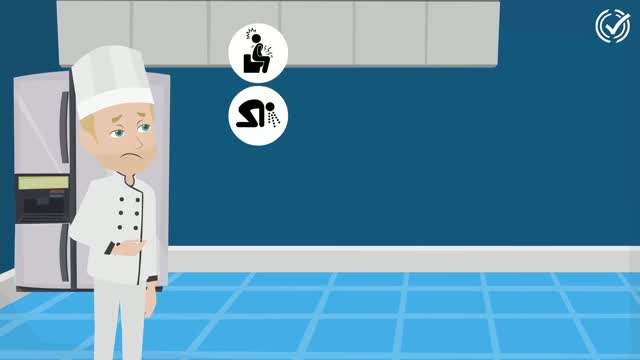
Bacterial Disease | Health | Biology | FuseSchool

Click here to see more videos: https://alugha.com/FuseSchool CREDITS Animation & Design: Reshenda Wakefield Narration: Dale Bennett Script: Gemma Young Did you know that it wasn’t until around 200 years ago that people knew what caused infectious diseases? Before that, they believed that one caus

The Gut Microbiome and Individual Genetics

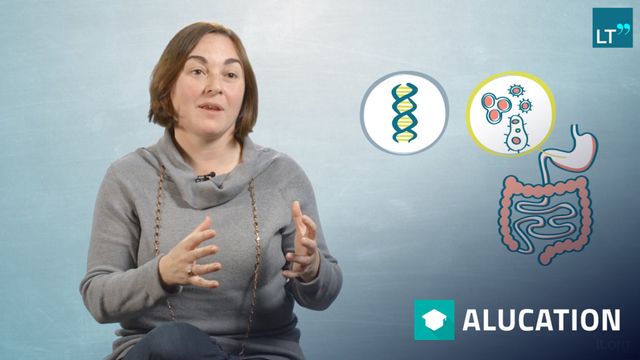
For more Science Videos: https://lt.org/ * The gut microbiome has a significant influence on various diseases ranging from malnutrition to chronic inflammation. It is largely shaped by environmental factors, like diet and lifestyle. How the genetics of the individual affect the composition of the mi

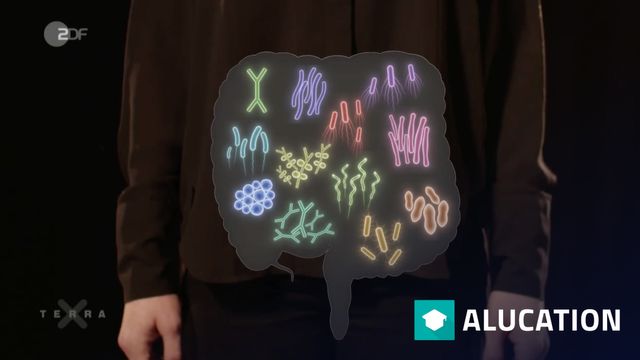
The gut microbiome

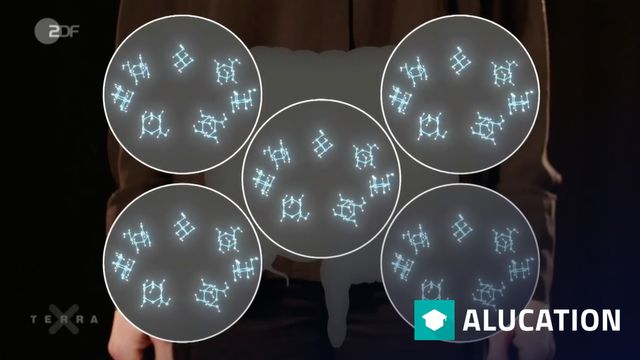
The microbiome is the community of all micro-organisms in the gut. Its composition is different for each person — also depending on diet and medication. The microbiome is as unique as a fingerprint. Author: ZDF/3sat/nano/docuvista/Thomas Hies/Andrea Schäfer, Marilena Schulte/Jörg Becker/Henry Mülle

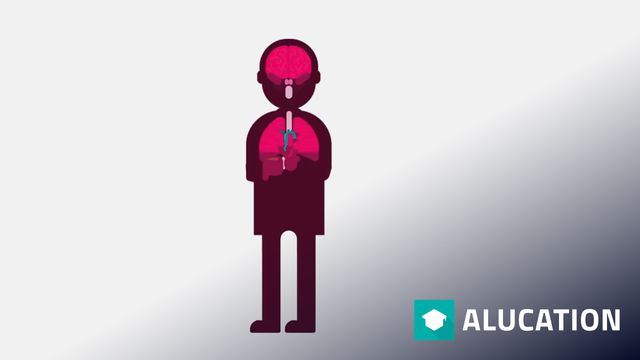
What Happens in the Body When We Die

When a person is dying, a basic biological program kicks in that unfolds similarly for many people and is irreversible. First, the kidneys, liver, stomach, and intestines shut down; last, the heart and brain. Authors: ZDF/Terra X/K22/C. Eppelmann/E. Frank/S. Engel/Kawom/M. Heß Translation and dubb