Search results for “intestinal germs”

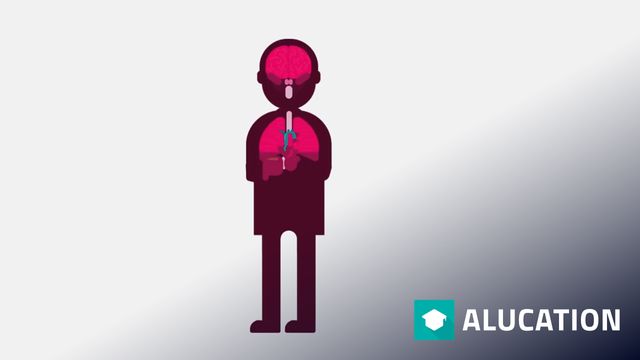
Glucose intake via the small intestine

In the small intestine, enzymes break down the long molecular chains and release glucose. It passes through the intestinal wall and enters the blood, causing the blood glucose level to rise. The hormone insulin transports the glucose into the body's cells. The blood sugar level drops. Author: ZDF/3

The Gut Microbiome and Individual Genetics

For more Science Videos: https://lt.org/ * The gut microbiome has a significant influence on various diseases ranging from malnutrition to chronic inflammation. It is largely shaped by environmental factors, like diet and lifestyle. How the genetics of the individual affect the composition of the mi

Dark Medicine – Semmelweis

Today, medicine is seen as an authority and a sacred institution. But like any institution, it has a dark past. The story of Dr. Ignaz Semmelweis shows how medicine was terribly wrong and how the poor judgment of the doctors cost many women their lives. In 19th-century Vienna, the young doctor was r

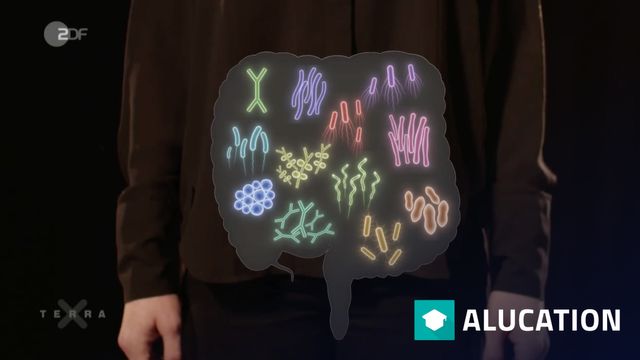
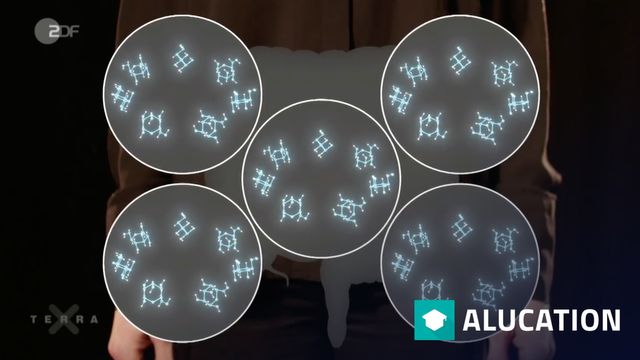
The gut microbiome

The microbiome is the community of all micro-organisms in the gut. Its composition is different for each person — also depending on diet and medication. The microbiome is as unique as a fingerprint. Author: ZDF/3sat/nano/docuvista/Thomas Hies/Andrea Schäfer, Marilena Schulte/Jörg Becker/Henry Mülle

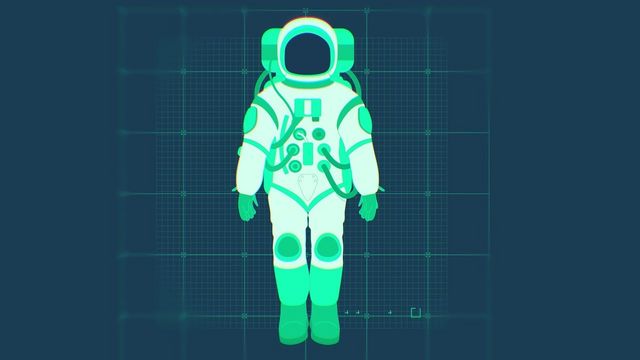
Experiments with Alexander Gerst: IMMUNO-2

The Immuno-2 experiment continues with research relating to the functioning of the immune system when humans spend prolonged periods in space. Besides microgravity and radiation, a variety of stress factors such as isolation, heavy workloads and disruption of sleep rhythms can weaken the immune syst