Search results for “Aluga-Plattform”

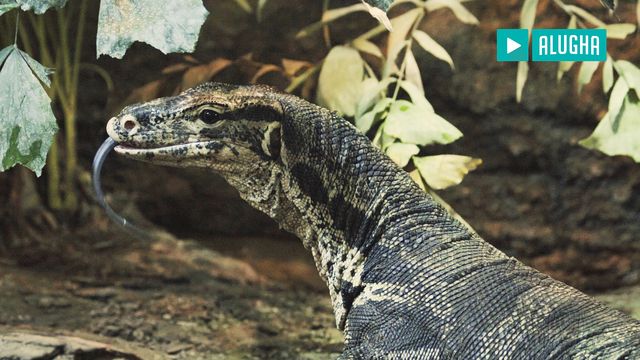
A monitor lizard from the Landau Reptilium

Monitor lizards are found in vast areas of the tropical and subtropical regions of Africa, Asia and Australia. Most monitor lizards are long lizards with pointy heads and long tails. The individual subspecies differ in size, color, and arrangement and number of scales. Just like snakes, monitor liza

Alugha feat. ASAP Science

Watch the ASAP-Science Videos multilingually in English or German on www.alugha.com Multilingual Videos with Dolby Surround Sound? No problem if you gonna use alugha! The one and only tool that expands YouTube for you to get more subscribers, get more success and generate more income! See more abo

What would happen if you didn’t sleep? - Claudia Aguirre

View full lesson: http://ed.ted.com/lessons/what-would-happen-if-you-didn-t-sleep-claudia-aguirre In the United States, it’s estimated that 30 percent of adults and 66 percent of adolescents are regularly sleep-deprived. This isn’t just a minor inconvenience: staying awake can cause serious bodily

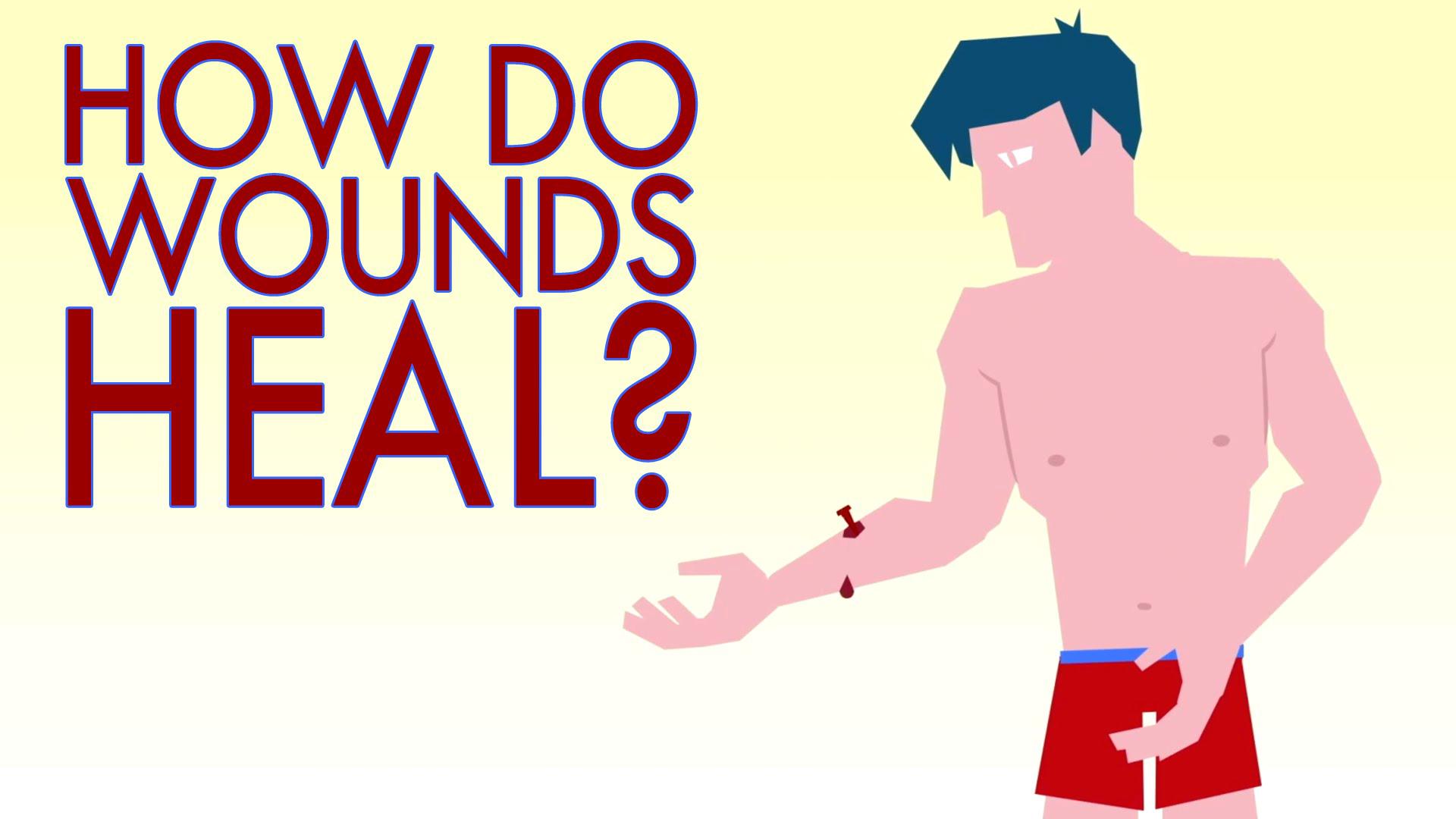
How a wound heals itself - Sarthak Sinha

View full lesson: http://ed.ted.com/lessons/how-a-wound-heals-itself-sarthak-sinha Our skin is the largest organ in our bodies, with a surface area of about 20 square feet in adults. When we are cut or wounded, our skin begins to repair itself through a complex, well-coordinated process. Sarthak Si

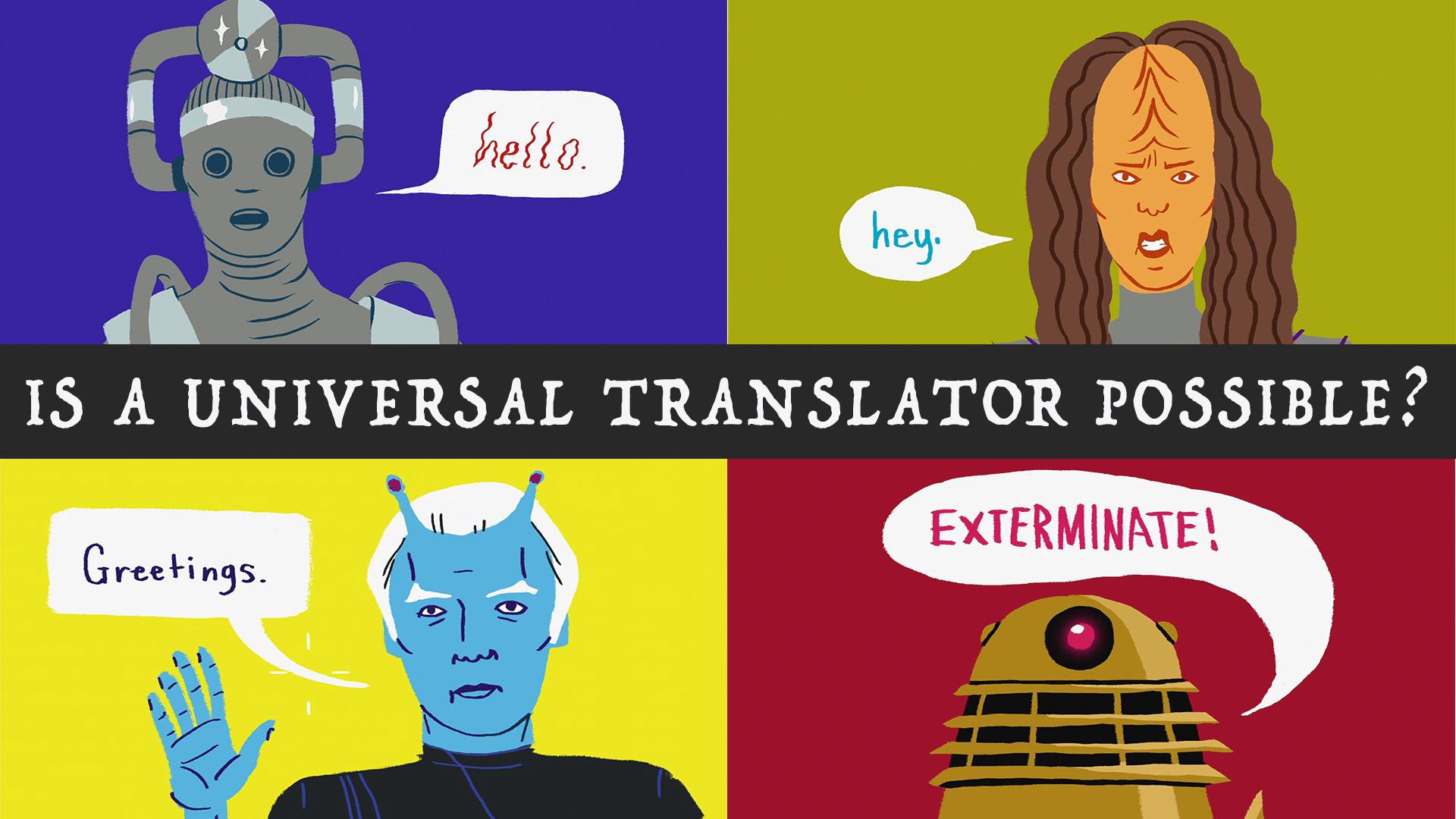
How computers translate human language - Ioannis Papachimonas

View full lesson: http://ed.ted.com/lessons/how-computers-translate-human-language-ioannis-papachimonas Is a universal translator possible in real life? We already have many programs that claim to be able to take a word, sentence, or entire book in one language and translate it into almost any othe

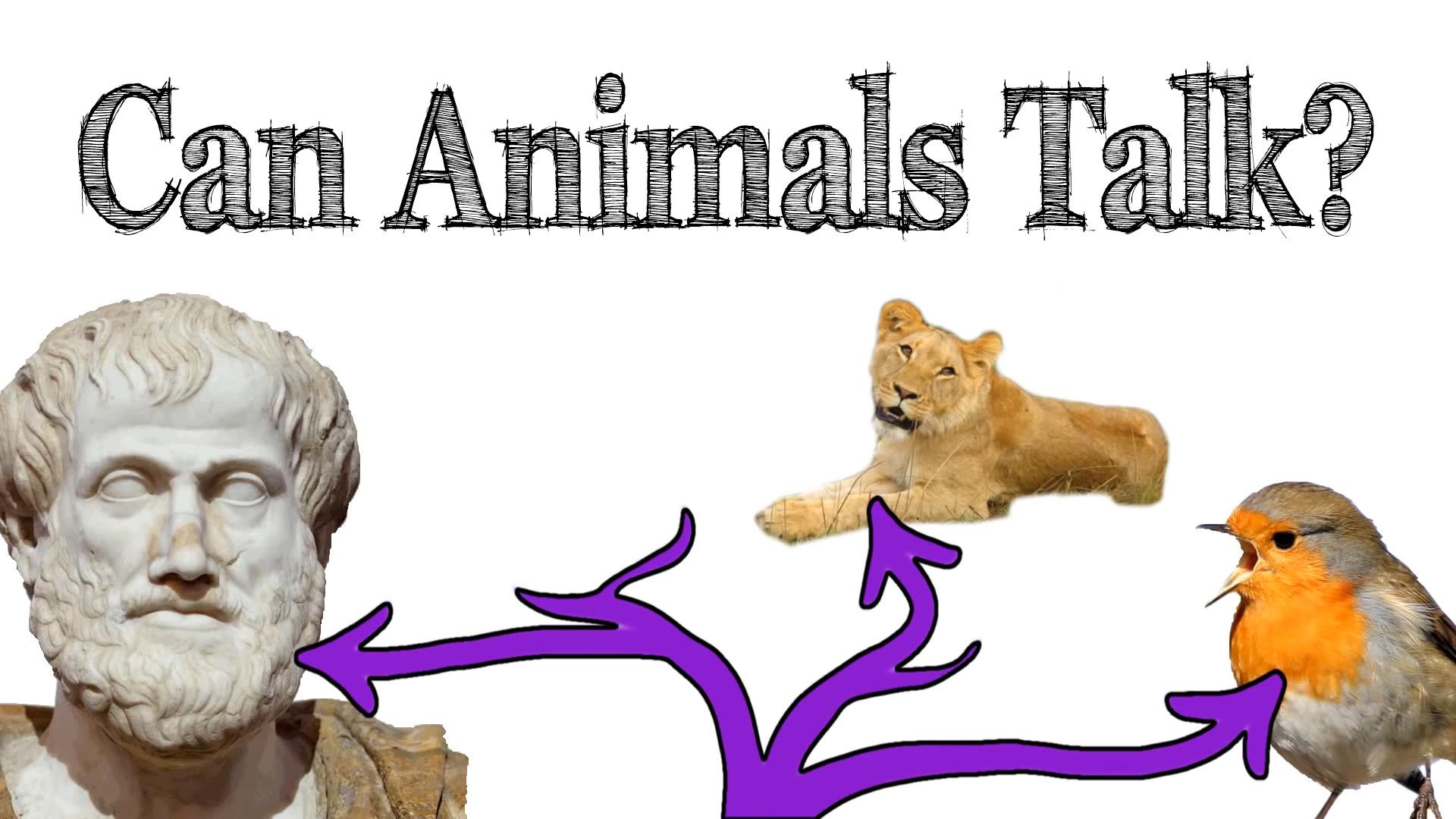
Can Animals Talk? - the linguistics behind animal language

Is language just for humans? Do other animals speak? Take a few minutes to explore animal communication with me. Aristotle may snip humans off from rest of the Animal Kingdom, but animals do communicate with each other. Ants leave pheromone trails, bees perform information-rich waggle dances, birds