Search results for “Rock formation”

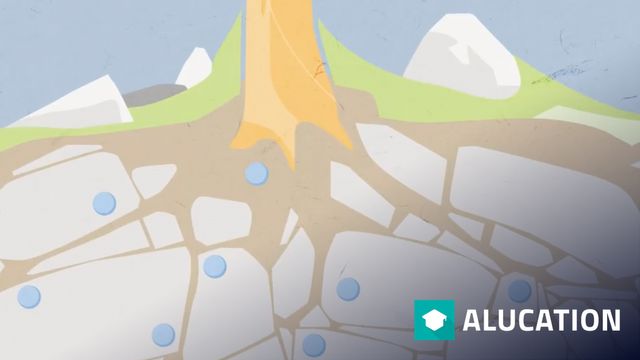
Rocks as water storage for plants

Plants can grow not only on soil-rich ground, but also on rocks. Due to their porosity, the rock layers lying beneath the thin upper layer of soil can store water. Author: ZDF/Terra X/Florian Roth/Thomas Kuschke/Jochen Rall/Maximilian Mohr Translation and dubbing: alugha Click here to watch more

08 Ion formation

Rutherford's atomic model can already explain a simple formation of charged particles (ions). The PSE can help us detect whether an atom absorbs or releases electrons. Original: "Wolfgang Dukorn" Original: German. All translations in this video have been done by the alugha AI.

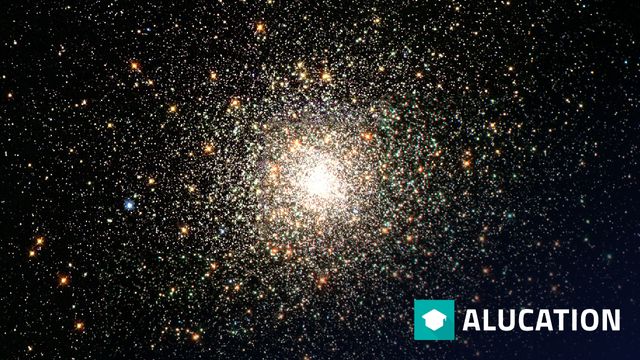
The Formation of Stars | NASA Planetary Sciences

Discover how the James Webb Space Telescope will help us better understand solar system formation in this video from NASA. Images from the Hubble Space Telescope show star-forming regions within the Eagle nebula: visible light images show vast clouds of gas and dust, and infrared images provide a gl

The formation of the Alps

The Alps are Central Europe's highest mountains, towering as high as 4800 meters. Today, mainly the harsh weather shapes the Alps. But the forces that formed these mountains came from within the Earth. Author: ZDF/Terra X/Bilderfest/Florian Breier, Christian Stiefenhofer/Michi Kern/Klaus Wache/Tob

Space Rock Census

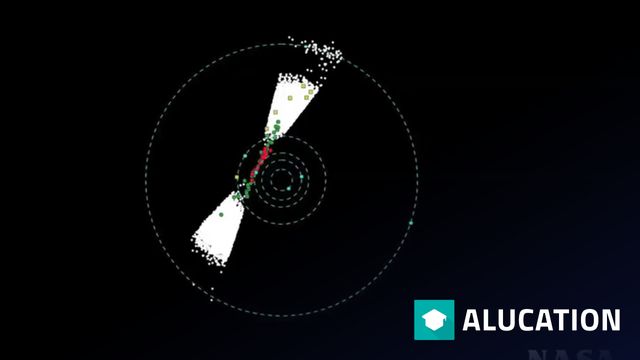
In "Space Rock Census" Amy Mainzer, principal investigator for the Wide-field Infrared Survey Explorer (WISE) mission, reveals some new observations about space rocks in our solar system in these videos from NASA Jet Propulsion Laboratory. The WISE mission is helping scientists understand the true n

08 Salt formation from the elements

Sodium reacts with chlorine to form a white salt, sodium chloride. An ionic bond of cations and anions is formed. It is explained how the PSE helps to determine the charges of the ions and to establish the ratio formula from them. Original: "Wolfgang Dukorn" Original: German. All translations in t

Formation of the Baltic Sea

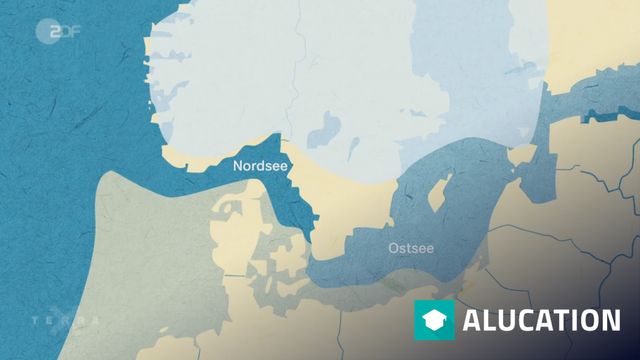
20,000 years ago, the Baltic Sea region was still covered by a glacier. A change in climate caused the glacial ice to melt. The first form of the Baltic Sea emerged: a freshwater lake. Today, despite its connection to the North Sea, it is considered an inland sea. Author: ZDF/Terra X/Nina Zorn/Anna