Search results for “Reference Maps Historical”

Mercator's world map

In 1569, Gerhard Mercator presented his world map to the public for the first time. The 1 meter 34 by 2 meter 12 meter card was given the title addition: "for marine use". It was later divided into 20 single sheets and published in a book. Long awaited by the captains of the world. Author: ZDF/Terr
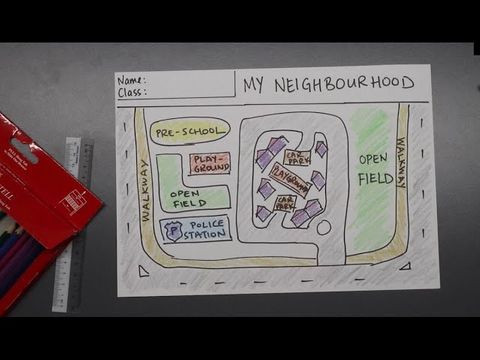

Systems Mapping

Click here to see more videos: https://alugha.com/SystemsInnovation Take the full course: https://systemsinnovation.io/course/ Follow along with the eBook: https://systemsinnovation.io/books/ Systems mapping is a type of modeling that is designed to reveal the underlying interrelationships and stru

Value Mapping

Click here to see more videos: https://alugha.com/SystemsInnovation Take the full course: https://systemsinnovation.io/course/ Follow along with the eBook: https://systemsinnovation.io/books/ Mental models and the values that shape them are at the foundations of how we see the world and act upon it

Incentive Mapping

Click here to see more videos: https://alugha.com/SystemsInnovation Take the full course: https://systemsinnovation.io/course/ Follow along with the eBook: https://systemsinnovation.io/books/ Incentive mapping is important because it lets us see the somewhat invisible fields of incentives that are

Historical development of xenophobia

Prejudices against foreigners have already been handed down from ancient times. The ancient Greeks called foreigners "barbarians". At first, this only referred to everyone who did not speak Greek. Author: 3sat/nano/SPIEGEL TV GmbH /Denise Dismer, John A. Kantara/Jakob Kastner/Ezra Tsegaye/Jochen Sc

ScienceCasts: Historic Vegetable Moment on the Space Station

Astronauts recently experienced an historic vegetable moment when they ate a salad made from lettuce grown on board the International Space Station. Visit http://science.nasa.gov/ for more. http://www.nasa.gov/station How Mold on Space Station Flowers is Helping Get Us to Mars: http://www.nasa.go

Mapping the Moon's Gravity | NASA Planetary Sciences

Launched in September 2011, find out about the Gravity Recovery and Interior Laboratory (GRAIL) mission to measure the gravitational field of the Moon and study how the Moon developed over time. Animations illustrate technical aspects of the mission's design, including the launch, orbital insertion