Search results for “pH curve”

Q12 pH value of weak acids

The pH value calculation for weak acids (and bases) is explained. This is more demanding than with strong acids and bases. Original: "Wolfgang Dukorn" Original: German. All translations in this video have been done by the alugha AI.


Q12 pH and pOH value

This screencast discusses the mathematical derivation of pH and pOH. The ionic product of the water is decisive for this. Original: "Wolfgang Dukorn" Original: German. All translations in this video have been done by the alugha AI.

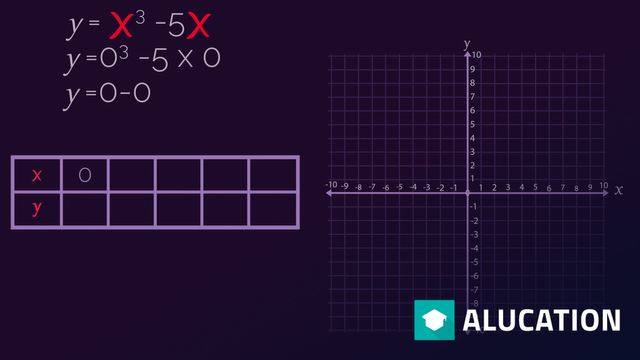
Plot Cubic Curves | Graphs | Maths | FuseSchool

Learn how to plot cubic curves, using a table of values. VISIT us at www.fuseschool.org, where all of our videos are carefully organised into topics and specific orders, and to see what else we have on offer. Comment, like and share with other learners. You can both ask and answer questions, and t

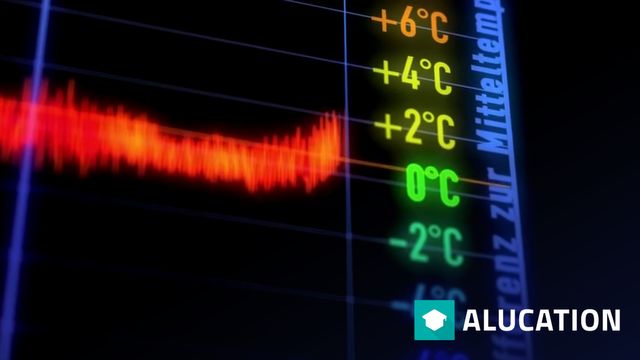
The temperature curve of the earth

Throughout earth's history, climate has been akin to a rollercoaster ride. The "fever curve" of our planet shows the global temperature fluctuations to date - reconstructed using historical climate data. Author: ZDF/Terra X/Gruppe 5/Luise Wagner, Jonas Sichert, Andreas Hougardy Redub: alugha Cli

09 Salt solutions affect pH

If salts are dissolved in water, they can form an acidic, neutral or alkaline environment. The formation of oxonium ions or hydroxide ions is explained. Original: "Wolfgang Dukorn" Original: German. All translations in this video have been done by the alugha AI.

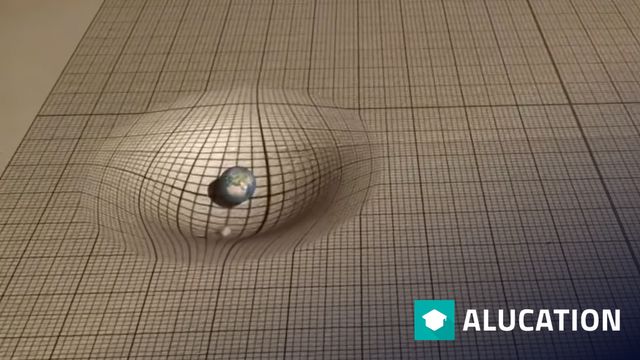
Gravity as curved space

The universe is depicted as a flat grid. Earth, Moon and Sun dent this grid due to their mass. All celestial bodies then must move along the dents. But their centrifugal force acts against this. Author: ZDF/Terra X/ T. Schultes/ Nikolai Holzach Translation and dubbing: alugha Click here to see m

Q 11 Substrate Saturation Curve

The reaction speed of the enzyme-catalyzed reactions depends on various factors. In this screencast, the dependence on the substrate concept is explained and the curve is derived. Finally, the Michaelis constant is described. Original: "Wolfgang Dukorn" Original: German. All translations in this v