Search results for “Sky”

The Nebra sky disk

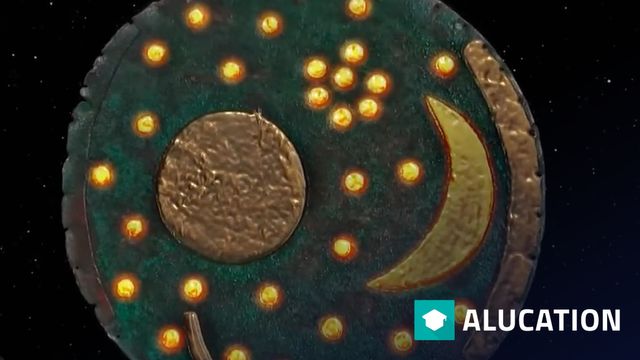
The Nebra sky disk is the world's oldest known concrete representation of astronomical phenomena and is more than 3600 years old. It shows a crescent moon, the full moon - sometimes interpreted as the sun - and a total of 32 stars. Author: ZDF/Terra X/SPIEGEL TV/Christopher Gerisch/Tilman Remme/Rei
NASA ScienceCasts: A Sunset Sky Show

Click here to see more videos: https://alugha.com/NASA Visit http://science.nasa.gov/ for more. On the evening of March 18 (2018), step outside for a view of the crescent Moon, Venus, and Mercury together above the twilight horizon.

ScienceCasts: Amazing Sunset Sky Show

Venus and Jupiter are converging for a must-see close encounter at the end of June. It could be the best backyard sky show of 2015. Visit http://science.nasa.gov/ for more. Click here to see more videos: https://alugha.com/NASA This video is from 2015

See How NASA Studies Water Availability from the Sky

Click here to see more videos: https://alugha.com/NASA NASA's Airborne Snow Observatory collects data that could help improve water management for 1.5 billion people worldwide who rely on snow melt for their water supply. This segment was aired live during episode 3 of NASA Science Live: Our Weird

Pete Seeger Reads 'Abiyoyo' on Reading Rainbow

Pete Seeger joins host LeVar Burton to read (and sing) the classic African folktale 'Abiyoyo' on Reading Rainbow. In this complete Reading Rainbow segment from 1986, legendary American folk singer Pete Seeger sings and tells us the story of a fearsome giant named Abiyoyo. Watch as a father and son

Shifting Shadows

Explore how the position of the Sun in the sky affects shadows on Earth’s surface in this live-action video from PEEP and the Big Wide World. Use the video to observe evidence of the relationship between the Sun and shadows and to describe how the position of the Sun in the sky results in changes in

Daylight Hours and the Sun’s Apparent Path

Explore the duration of daylight and the Sun’s apparent path in the sky in a northern hemisphere location during the solstices with this adapted WorldWide Telescope video. This resource gives students an opportunity to observe differences in the Sun’s apparent path across the sky and make evidence-b

NASA ScienceCasts: Eye on Neptune

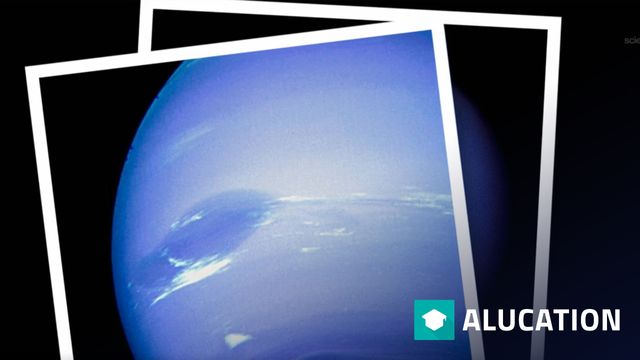
Click here to see more videos: https://alugha.com/NASA Neptune will be at opposition in September, providing sky watchers and astronomers the opportunity to observe this planet that is invisible to the naked eye, but that scientists would love to see more clearly. NASA Science: http://science.nasa