Search results for “Science Technology Space Missions Unmanned Moon”

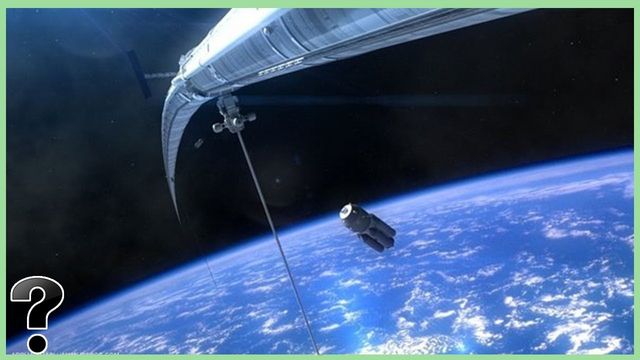
Can We Build Into Space?

Imagine for a second, a skyscraper, the tallest skyscraper ever built, that’s 100 kilometers tall. You could take an elevator from the ground floor of this skyscraper all the way up to where space begins to a sky bar where you could look at the earth below, and maybe even be launched into space from

Investigating the Moon's Interior | NASA Planetary Sciences

Discover how scientists plan to use data from the GRAIL mission and a map of the Moon's gravitational field to learn about its internal structure. By comparing data about the Moon's gravity with information about its topography, scientists can gain a better understanding of the Moon's formation and

Mapping the Moon's Gravity | NASA Planetary Sciences

Launched in September 2011, find out about the Gravity Recovery and Interior Laboratory (GRAIL) mission to measure the gravitational field of the Moon and study how the Moon developed over time. Animations illustrate technical aspects of the mission's design, including the launch, orbital insertion

Why Can't We Live On The Moon?

We could try living on the moon ... but it might not be a good idea. Click here to see more videos: https://alugha.com/LifeNoggin Follow Life Noggin! Facebook: https://www.facebook.com/LifeNoggin/?ref=br_rs Instagram: https://instagram.com/lifenoggin/ Twitter: https://twitter.com/lifenoggin Offi

Tour of the Moon | NASA Planetary Sciences

Take a tour of the Moon's surface features in this video from NASA. Images and topographic maps show craters, rocks, mountains, basins, and valleys, including the Orientale basin, Shackleton crater, South Pole-Aitken basin, Tycho crater, Aristarchus plateau, Mare Serenitatis, Compton-Belkovich volca

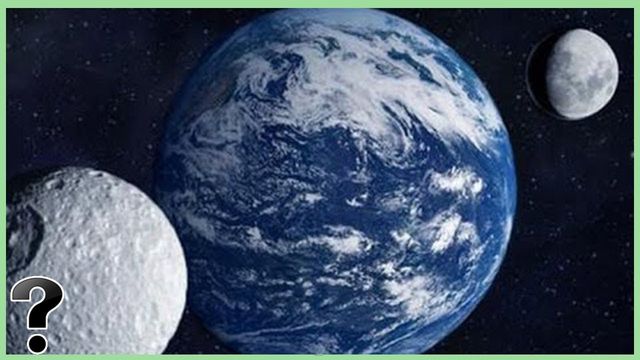
What If The Earth Had 2 Moons?

Click here to see more videos: https://alugha.com/LifesBiggestQuestions The Earth and the Moon have been partners in crime for billions of years. This partnership has been the subject of much study over the years, with the interactions between the two celestial bodies being examined. But what would

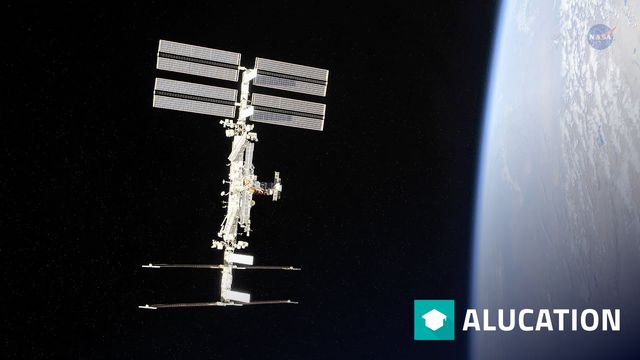
NASA ScienceCasts: Making Space for Technology Development

Click here to see more videos: https://alugha.com/NASA The International Space Station provides the only microgravity environment in which we can test technologies critical to our deep-space exploration in the near and far-term future. Space Station Research & Tech: http://www.nasa.gov/iss-science

Saturn's Rings and Moons | NASA Planetary Sciences

Explore the rings and moons of Saturn through images from the Cassini spacecraft. Saturn's rings were discovered in 1610 by Galileo Galilei, although he did not see enough detail to know what they were. In 2004, the Cassini spacecraft began capturing unprecedented images of Saturn's atmosphere and t

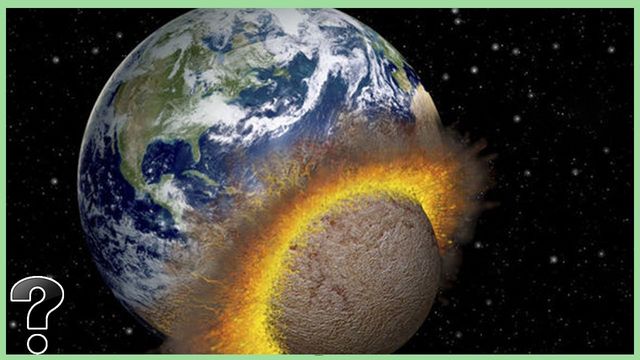
What If The Moon Crashed Into Earth?

Our moon is 2,150 miles wide and orbits the earth at a distance of 384 thousand kilometers, but since its formation, the moon has actually been moving away from the earth. Click here to see more videos: https://alugha.com/LifesBiggestQuestions VIDEO CONCEPT: Landon Dowlatsingh - http://bit.ly/2bwF