Search results for “Earth's Systems Continually Interact”

Earth as a System

Earth is a complex, evolving body characterized by ceaseless change. To understand Earth on a global scale means using a scientific approach to consider how Earth's component parts and their interactions have evolved, how they function, and how they may be expected to further evolve over time. This
Earth Systems Science

Click here to see more videos: https://alugha.com/SystemsInnovation Take the full course: https://systemsinnovation.io/course/ Follow along with the eBook: https://systemsinnovation.io/books/ Twitter: http://bit.ly/2JuNmXX LinkedIn: http://bit.ly/2YCP2U6 A brief overview to the area of Earth System

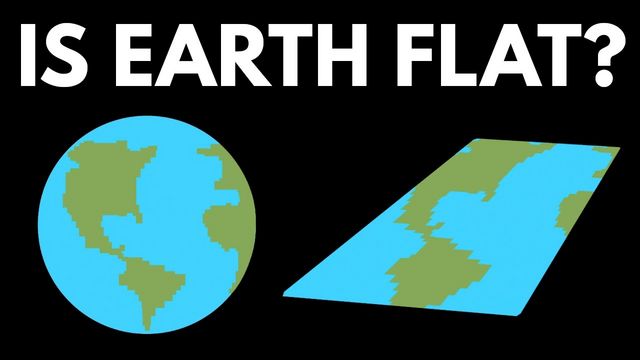
This Is How We Know Earth Isn't Flat

Some conspiracy theorists think the Earth is actually flat. How can we prove that this theory is incorrect? Follow Us! https://twitter.com/LifeNoggin https://facebook.com/LifeNoggin Click here to see more videos: https://alugha.com/LifeNoggin Life Noggin is a weekly animated educational series. W

Earth System: Ice and Global Warming

Scientific evidence strongly suggests that different regions on Earth do not respond equally to increased temperatures. Ice-covered regions appear to be particularly sensitive to even small changes in global temperature. This video segment adapted from NASA's Goddard Space Flight Center details how

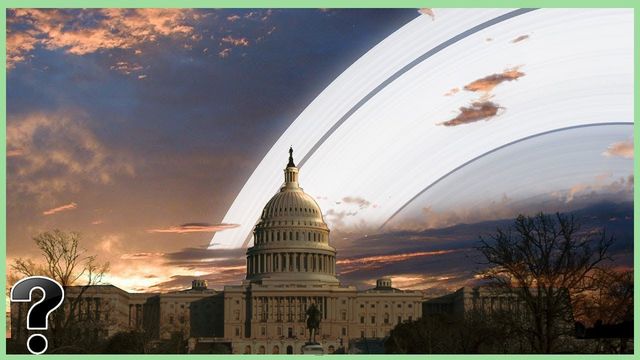
What If The Earth Had Rings?

What If The Earth Had Rings? Subscribe To Life's Biggest Questions: https://bit.ly/2UeWkuQ Several planets in our universe have rings, most notably, Saturn, Jupiter, Neptune and so does Uranus. Many scientists believe that Billions of years ago, the earth had rings around it. They believe the ring

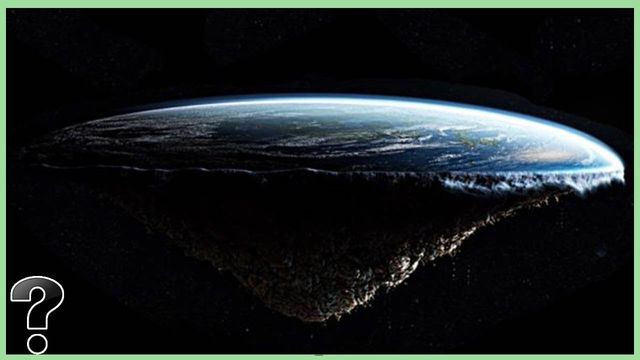
What if the Earth Was FLAT?

What if the Earth Was FLAT? Subscribe To Life's Biggest Questions: https://alugha.com/LifesBiggestQuestions When you look at the horizon, it is impossible to tell that the earth is anything other than flat. This is because of the sheer size of the earth, and it is only possible to see a handful of

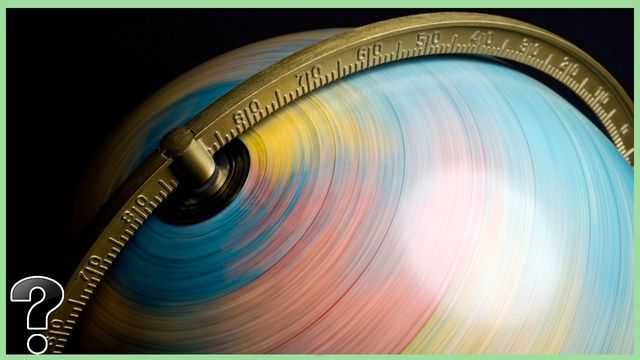
What If The Earth Spun Twice As Fast?

Sometimes it seems like the world is just spinning faster and faster, leaving some of us behind. There just don’t seem to be enough hours in the day anymore, but what if there really weren’t? What would happen if the Earth spun much more quickly? Let’s explore. Click here to see more videos: https:

Systems Ecology: Course Intro

Introduction to our systems ecology course Follow along with the course eBook: https://systemsinnovation.io/books/ Take the full course: https://systemsinnovation.io/courses/ Twitter: http://bit.ly/2JuNmXX LinkedIn: http://bit.ly/2YCP2U6 Click here to see more videos: https://alugha.com/SystemsInno

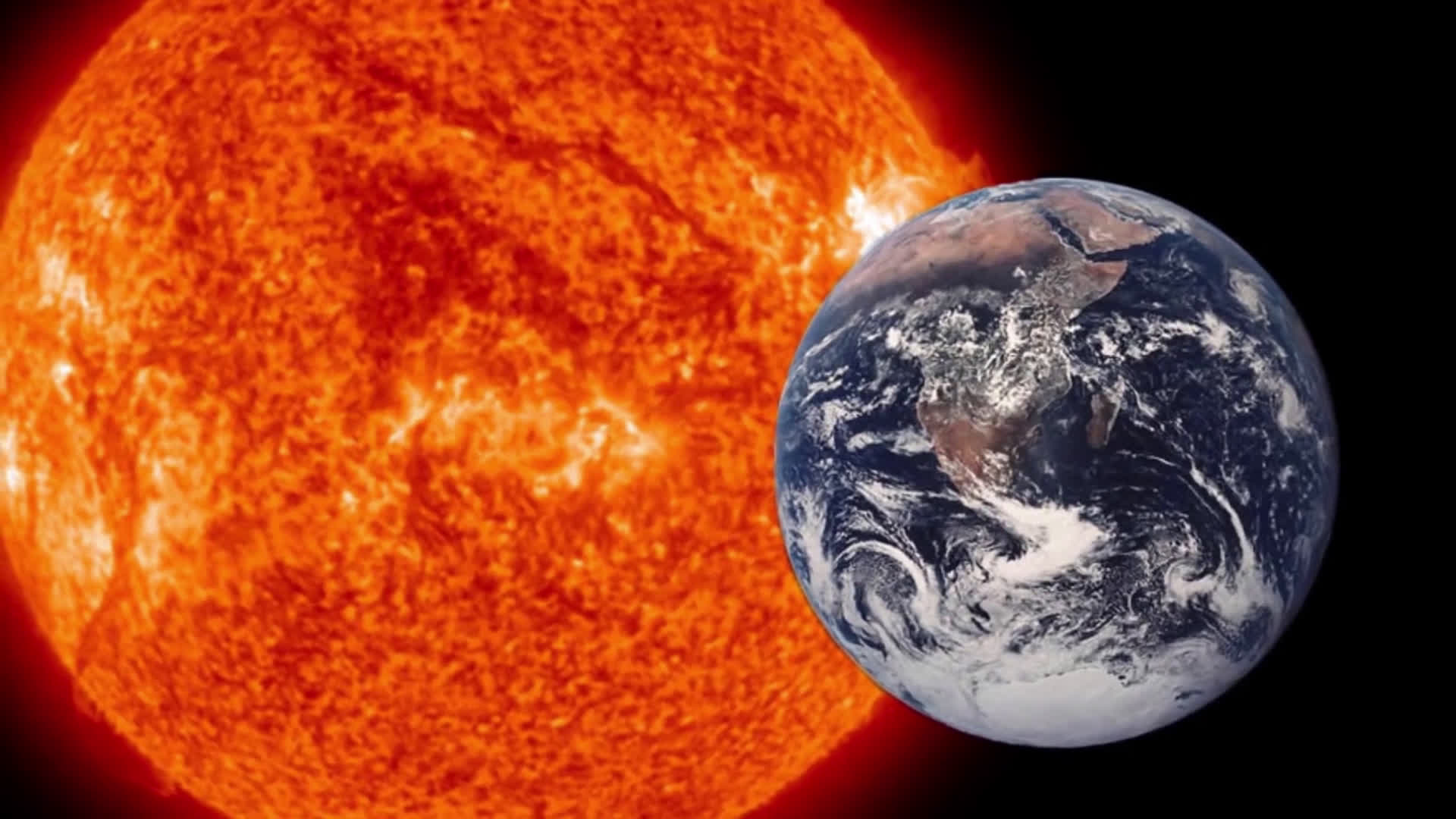
What If The Earth Was Bigger Than The Sun

In case you didn’t know, the sun is bigger than the Earth. Yes, form here, the sun looks like its no bigger than the Moon. But that’s because of how far away it is from the Earth. 150 million kilometers to be exact. So how big is the Sun? The Sun’s radius is 695700 km. The Earth’s radius is 6371 kil

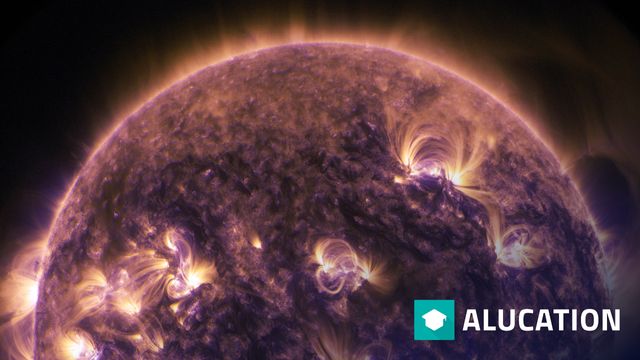
Solar Wind's Effect on Earth

The Sun produces a solar wind — a continuous flow of charged particles — that can affect us on Earth. It can, for example, disrupt communications, navigation systems, and satellites. Solar activity can also cause power outages, such as the extensive Canadian blackout in 1989. In this video segment a

Earth System: El Nino

The climatic phenomenon known as El Niño is a disruption of the ocean-atmosphere system in the tropical Pacific that impacts weather and climate around the globe. An El Niño occurs every four to twelve years, causes die-offs of plankton and fish, and affects Pacific jet-stream winds, altering storm

Earth System: El Nino's Influence on Hurricane Formation

Warm water fuels the tropical storms that ultimately form hurricanes. In this video segment adapted from NASA's Goddard Space Flight Center, learn how El Niño events—climatic anomalies that occur periodically in the Pacific Ocean—alter the course of atmospheric circulation and lessen hurricane forma