Search results for “Astronom”

Explaining the size of space using glow sticks

The size of space seems insurmountable - astronomer Francesco Pepe uses glow sticks to visualize the incredible vastness. Authors: ZDF/3sat/nano/Autentic Production GmbH /K.Pecher/Fabian Korbinian Wolf/Sebastian Riezler/Original sound: Francesco Pepe Translation and dubbing: alugha Click here to

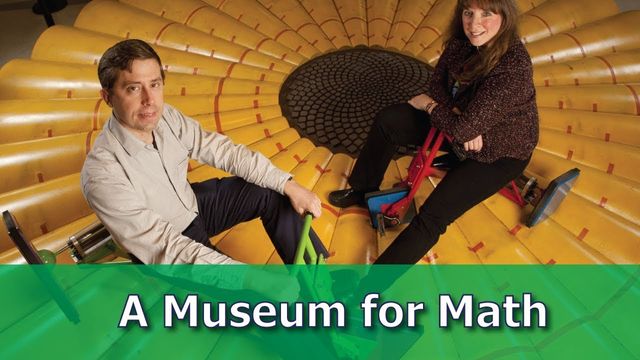
A Museum for Math

Galileo, the famous astronomer, said that we can’t understand world around us without first understanding math. Well Scott got a first-hand look at some of the top exhibits at a museum dedicated to helping kids and teens understand math in a fun way. In part two, of his report from the National M

Measuring Distance in the Solar System | NASA Planetary Sciences

Explore how astronomers and scientists use astronomical units to measure distances in the solar system in this video adapted from NASA. The astronomical unit (au) -- equal to the average distance from Earth to the Sun -- is a convenient unit of measure when talking about distances in the solar syste

Space Detectives

Space Detectives: The case of the rocks from space Europlanet 2020 RI http://www.europlanet-2020-ri.eu/ Europlanet Outreach http://www.europlanet-eu.org/ Europlanet Social Media: Twitter: https://twitter.com/europlanetmedia Facebook: https://www.facebook.com/europlanetmedia Instagram: https://

Swift and Hubble Probe an Asteroid Crash

Discover how astronomers determined the unexpected brightening of an asteroid named Scheila was likely the result of an impact with a much smaller asteroid. This video from NASA looks at how the Swift satellite and the Hubble Space Telescope helped astronomers investigate what they thought was an un

The Evolution of the Kuiper Belt | NASA Planetary Sciences

Learn about Neptune's gravitational effect on dust contained in the Kuiper belt and discover how it could help astronomers look for planets around other stars. This video from NASA explores the idea that if would-be alien astronomers were looking for planets around the Sun, they could potentially de

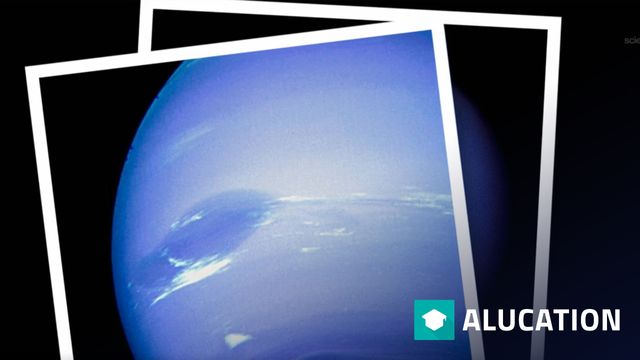
NASA ScienceCasts: Eye on Neptune

Click here to see more videos: https://alugha.com/NASA Neptune will be at opposition in September, providing sky watchers and astronomers the opportunity to observe this planet that is invisible to the naked eye, but that scientists would love to see more clearly. NASA Science: http://science.nasa

ScienceCasts: Amazing Moons

When the Space Age began, explorers were eager to visit the planets of the solar system. As the years have passed, however, astronomers have realized that the moons of the solar system may be even more interesting. Visit http://science.nasa.gov/ for more. Click here to see more videos: https://alu