Search results for “kilometer”

Hadrian's Wall and Limes

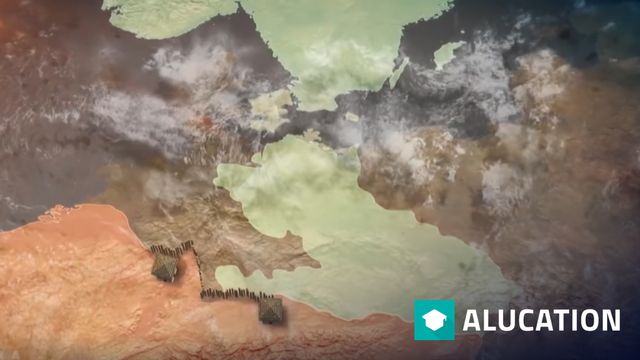
The Roman Empire defines its borders. Hadrian's Wall in Britain and the approximately 550-kilometer-long Limes in Germania are imposing security systems against unwanted immigrants and hostile attacks. Author: ZDF/Terra X/ Story House Productions/ Sigrun Laste/ Jürgen Rehberg, André Götzmann/ Oliv
Metric System - explained simply

The Metric System is a universal way to measure many different things. But how does it work and who invented it? We explain these and other aspects of the Metric System in this simpleshow. Click here to see more videos: https://alugha.com/mysimpleshow Authors: Roman Ilyushenko, Nicolai Nobis The

What If The Earth Was Bigger Than The Sun

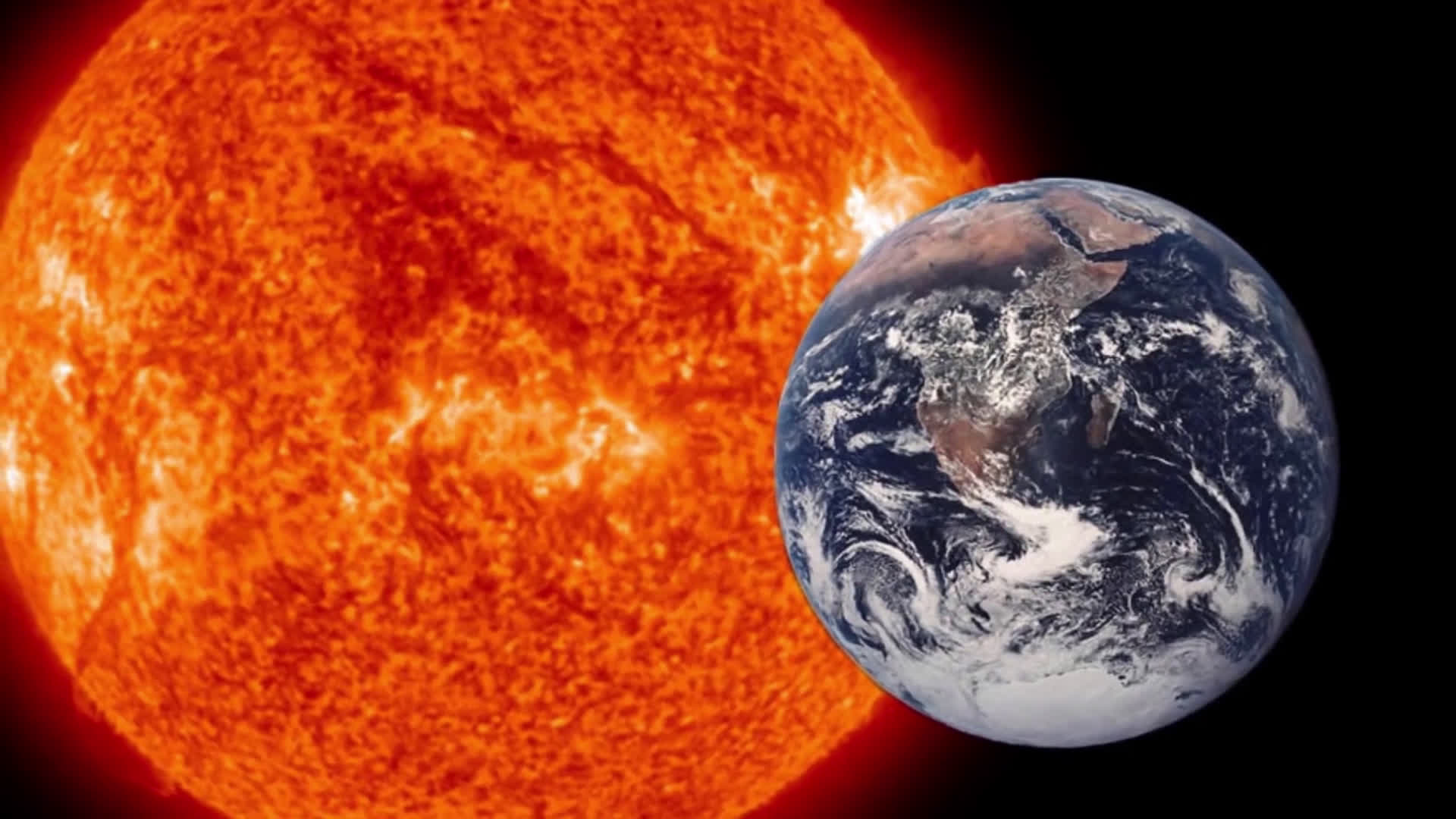
In case you didn’t know, the sun is bigger than the Earth. Yes, form here, the sun looks like its no bigger than the Moon. But that’s because of how far away it is from the Earth. 150 million kilometers to be exact. So how big is the Sun? The Sun’s radius is 695700 km. The Earth’s radius is 6371 kil

Pikes Peak: qualifying best time

The qualifying was a success for the Volkswagen I.D. R Pikes Peak. Romain Dumas drives the best time this day, eleven seconds faster than the best race car with combustion engine. Three minutes and 16 seconds for the first eight kilometers out of overall 20 kilometers. Don't miss any updates, subs

Ozone - protective layer and toxic gas

In the atmosphere, at an altitude of about 20 to 30 kilometers, the ozone layer protects us from carcinogenic UV rays. But on earth, on the ground, ozone is a problem. Here, the colorless and toxic gas harms people and the environment. More about ozone: http://www.umweltbundesamt.de/ozon Transla

Absorption of light in water

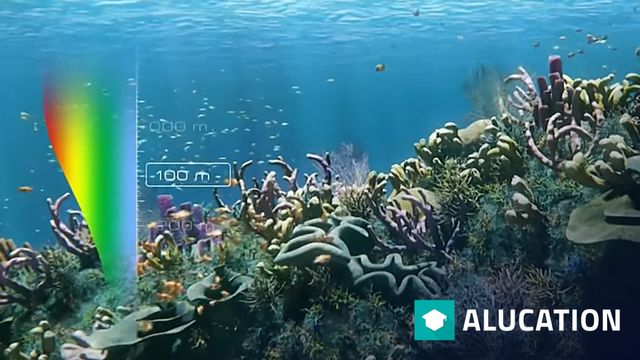
Water absorbs light. Red light is swallowed first, then other parts of the light spectrum. From about one kilometer, no more light penetrates into the depths. Authors: ZDF/Terra X/Hanna Kotarba/renderbaron Translation and dubbing: alugha Click here to see more videos: https://alugha.com/TerraX

Avoiding climate change by seaweed raft

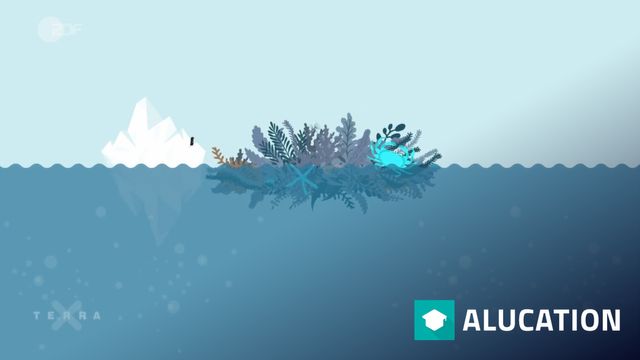
Millions of seaweed rafts float through the ocean. Animals such as crabs and worms easily travel distances of thousands of kilometers by long-distance transport, allowing them to settle in new regions. Authors: ZDF/Terra X/Daniela Busch/Lisa Gradl/Maximilian Mohr Translation and dubbing: alugha C

The Auschwitz-Birkenau concentration camp

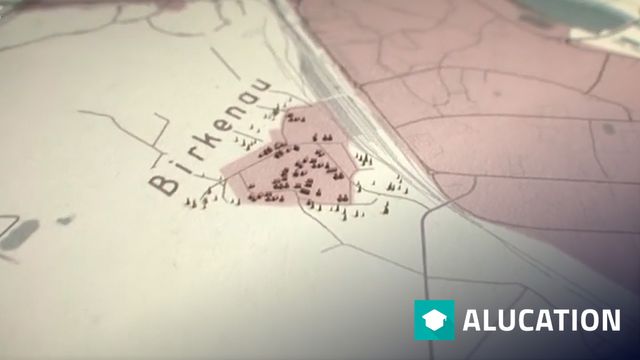
From the end of 1941, a new camp had been built in the so-called "Auschwitz area of interest" of the SS. It was located three kilometers away from the existing Auschwitz concentration camp. Starting in March 1942, people were murdered by poison gas in two former farmhouses in Birkenau. Author: ZDF/

Performance³ EN

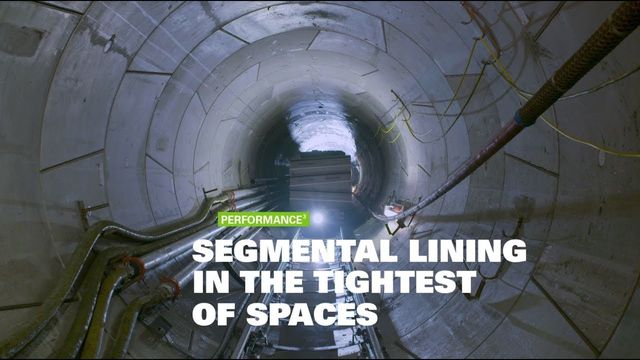
The River Emscher was considered a "cesspool of the Ruhr": an open channel, extremely polluted with wastewater from coal mining and heavy industry and the feces of local residents. It is a sewage project of superlatives: 10 Herrenknecht-TBMs were used to build an efficient underground pipe and tunn

How people lived in ancient Rome

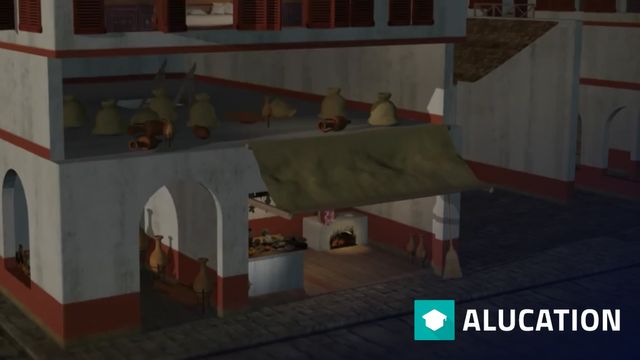
In the first century Rome was a place of longing for many who dreamed of a better life. But for most of them everyday life was not very glamorous. About a million people crowded around 13 square kilometers. Author: ZDF/Terra X/Story House Productions/Jens Afflerbach, Sebastian Scherrer/Jürgen Rehb

What If The Moon Crashed Into Earth?

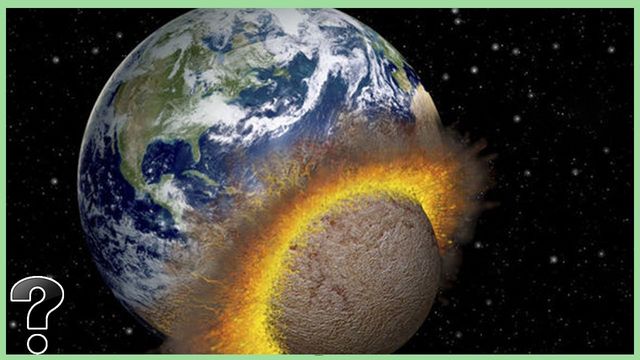
Our moon is 2,150 miles wide and orbits the earth at a distance of 384 thousand kilometers, but since its formation, the moon has actually been moving away from the earth. Click here to see more videos: https://alugha.com/LifesBiggestQuestions VIDEO CONCEPT: Landon Dowlatsingh - http://bit.ly/2bwF

The trunk noses of the saiga antelopes

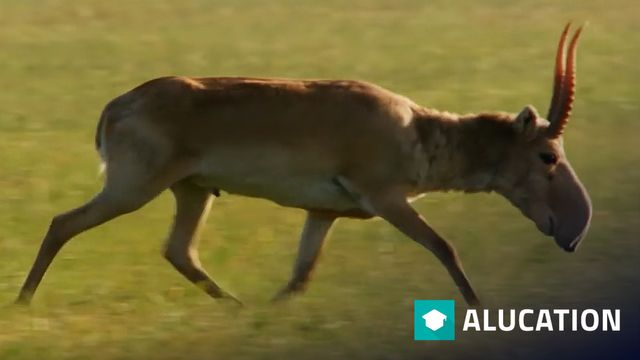
Saiga antelopes are amazingly persistent. On their long migrations through the steppes of Kazakhstan, the saigas can cover 80 kilometers and more in one day. Their enormous trunk helps them do this. But the nose can do even more. Author: ZDF/Terra X/Viking Film/Iris Gesand/Andreas Kieling, Frank Gu