Search results for “jupiter”

ScienceCasts: Close Encounters with Jupiter

On March 8th, 2016 Earth and Jupiter will have a close encounter. The giant planet will be "up all night," soaring almost overhead at midnight and not setting until the sky brightens with the twilight hues of sunrise on March 9th. In July, the Juno mission will give us an even closer look. Visit ht

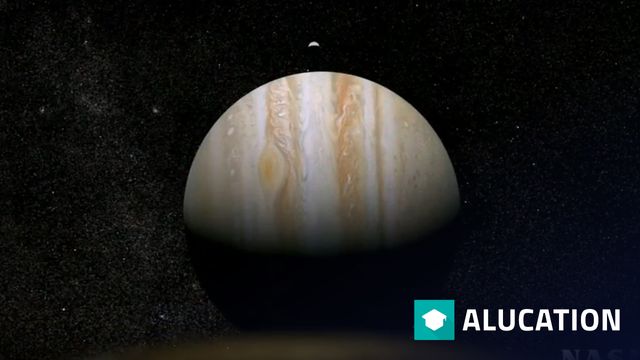
Jupiter: The Largest Planet

Explore our solar system's largest planet, Jupiter, including its role in the evolution of the solar system in this video from NASA. Dramatic visualizations and satellite images show Jupiter's size compared with Earth, its fast rotation, and its dynamic cloud systems (including the famous Great Red

Jupiter and Its Icy Moons

Produced by Science Office for Europlanet 2020 RI. http://www.scienceoffice.org/ Europlanet 2020 RI http://www.europlanet-2020-ri.eu/ Europlanet Outreach http://www.europlanet-eu.org/ Europlanet Social Media: Twitter: https://twitter.com/europlanetmedia Facebook: https://www.facebook.com/europ

Europa Jupiter System Mission

This video from NASA introduces a proposed mission to study potential habitable worlds around gas giants such as Jupiter. The Europa Jupiter System Mission, a proposed joint venture between NASA and ESA (the European Space Agency), would send two spacecraft to study Jupiter and its four largest moon

Jupiter's Hot Spots | NASA Planetary Sciences

Discover dark features in Jupiter's atmosphere called "hot spots," and their connection to large-scale atmospheric waves. David Choi describes his research on hot spots clearings in Jupiter's atmosphere that appear bright in infrared light. Analysis of data from the Cassini mission in 2000 reveal ho

ScienceCasts: Amazing Sunset Sky Show

Venus and Jupiter are converging for a must-see close encounter at the end of June. It could be the best backyard sky show of 2015. Visit http://science.nasa.gov/ for more. Click here to see more videos: https://alugha.com/NASA This video is from 2015
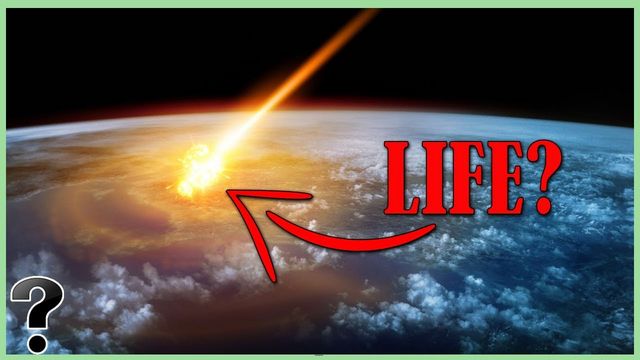
Where Did Life Come From?

Click here to see more videos: https://alugha.com/LifesBiggestQuestions Our earth is really old. Estimates put the age of our earth at 4.5 billion years. For 1.5 billion years, it was desolate, no life existed. But Somewhere around 3 billion years ago, life began to sprout on planet earth. Scientis

Why Does Saturn Have Rings?

Saturn is unique. Unlike the other 8 planets in our solar system Saturn has one thing going for it the others are lacking. Rings! Beautiful, multicoloured rings, make the 6th planet from the sun a cosmic marvel, but how and why are they there? Click here to see more videos: https://alugha.com/Life