Search results for “Regional Europe Finland Society and Culture Transgendered”

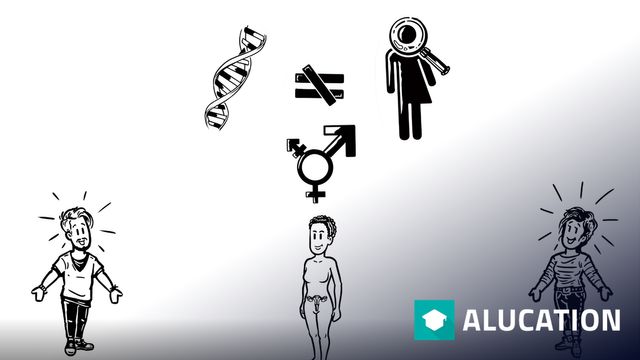
What Does It Mean to be Transgender?

Transgender people have helped society realize that defining gender is not as simple as labeling someone male or female. So what does it mean to be transgender? Watch this simpleshow to find out! Author: Lacey Langlois Sources in English: - Bradley, Heather A. Transgender Children and Their Famil

Culture @Merck

Culture inspires people and broadens their horizons. Our research and development benefits from creativity and enthusiasm. But cultural inspiration also opens people up to new ideas - it facilitates their acceptance of science, technological progress and innovation. This is why we support cultural i

The culture shock and the 4 stages of adaptation

When we move to another country, we are often exposed to a culture that is different from ours. We have to go through four phases of transition: honeymoon, frustration, adaptation and integration. Some people are enthusiastic about the foreign culture for months, while others are frustrated on the f

The Importance Of Culture For Sustainability

Sustainability is generally associated to sustainable development, which is based on the three-pillars model. These pillars are: the social, environmental and economic ones. Due to its very transformative and processual qualities, culture might not provide a renewed model for sustainability. Learn

Europe Through the Generations

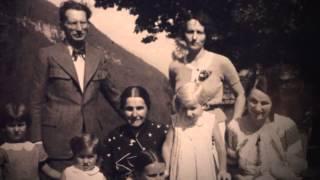
Featuring: · Maria Romana De Gasperi: daughter of Alcide De Gasperi, former Prime Minister of Italy · Antoinette Spaak: daughter of Paul-Henri Spaak, former Prime Minister of Belgium · Jean-Marie Pelt: former private secretary of Robert Schuman, France's foreign minister w

Cultural diversity in communication

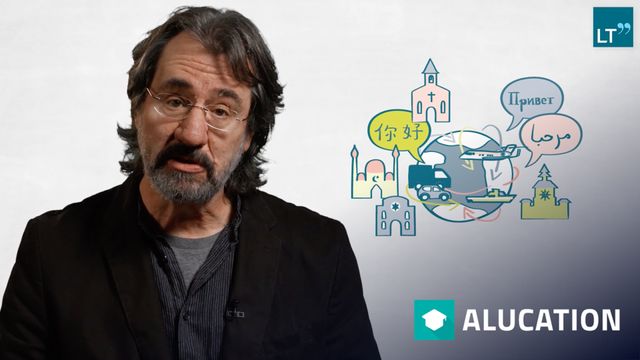
Successful communication in a culturally diverse environment requires knowledge and understanding. Our video suggests ways to communicate effectively in a culturally diverse workplace. #culturaldiversity #diversity #culturalawareness #interculturalcommunication #simpleshowfoundation #explainervid

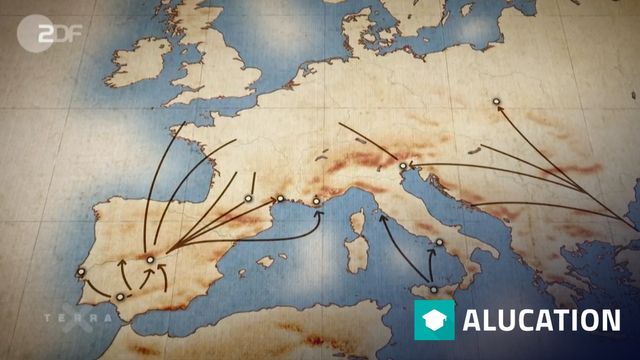
Fascism - spread in Europe

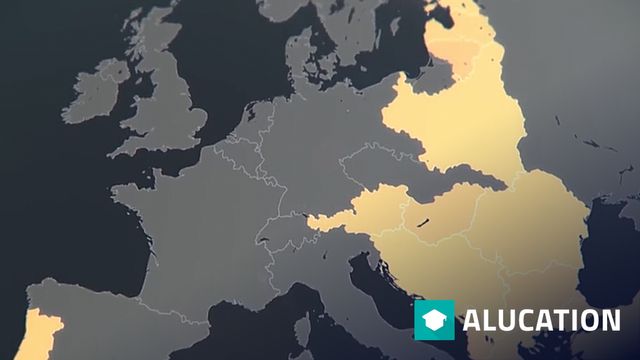
By the end of the 1930s, totalitarian forms of government existed in 15 European states. Between the world wars, fascist movements were founded across Europe: in Italy under Mussolini, in Spain under Franco. In Germany, Hitler came to power in 1933. Author: ZDF/Winfried Laasch, Friedrich Scherer/K