Search results for “Reference Museums History Europe Denmark”

The World History Project

History is more than a list of famous people, more than a series of events to memorize. It is a story -- of societies and nations, cities and villages, families and individuals. A network of connected and intertwined narratives. By exploring the past, we can better understand our present and imagine

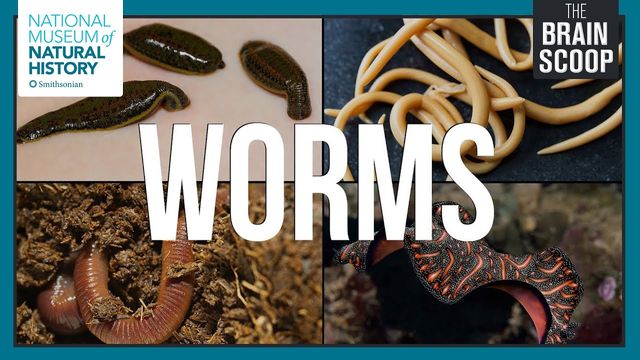
The Wonderful World of Worms

Earthworms & leeches, parasitic nematodes, bristle worms, velvet worms, bobbit worms! Dr. Anna J. Phillips, Curator of Parasitic Worms and Protozoa at the Smithsonian's National Museum of Natural History took us back into the invertebrate zoology collection to help shed light on these complex and re

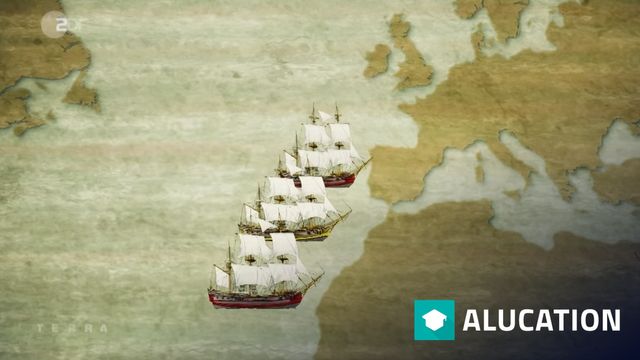
The history of colonialism

The history of European colonialism began about 500 years ago. At that time, powerful people from Europe sent sailors all over the world to occupy large territories. They called these territories "colonies". Author: ZDF/Pur+/gomie production GmbH/Nadja Stein/Richard Bade/Manos Dosis/Maximilian Tr

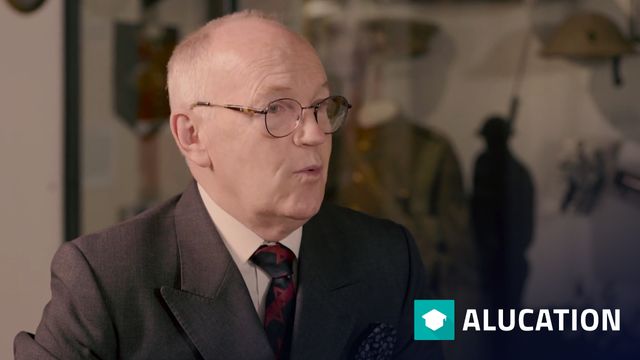
Trench Fighting Weapons | World History Project

Young British officers might have come from polite society, but the trenches of World War I were far from a posh environment. In this video, Andrew Wallis, of the Guards Museum in London, demonstrates the “streetwise” weapons that British officers used in close-quarters combat. Website: https://ww

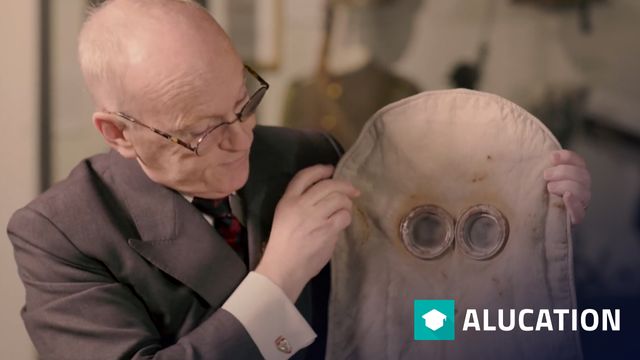
The British Gas Hood | World History Project

Trench warfare in the First World War was horrific enough, but mustard gas really sent it over the top. In this short video, Andrew Wallis, of the Guards Museum in London, exhibits the shockingly inadequate gas hoods that British soldiers relied on to survive the horrors of chemical warfare. Websi

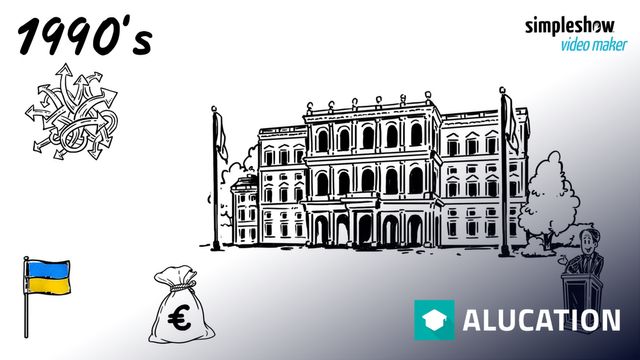
History of Ukraine

#Ukraine has a rich history that stretches over many centuries… This video gives a brief overview of Ukrainian history to the current day. Transcript: alugha Click here to see more videos: https://alugha.com/mysimpleshow

A window into the history of chemistry

Visitors both young and old at the Liebig Museum in Giessen Germany, are thrilled when the sparks begin to fly and things start to bubble and hiss. The experiments carried out in the museum's historic lecture hall offer a fascinating window into the history of chemistry. Audiences at the lectures ca