Key takeaways
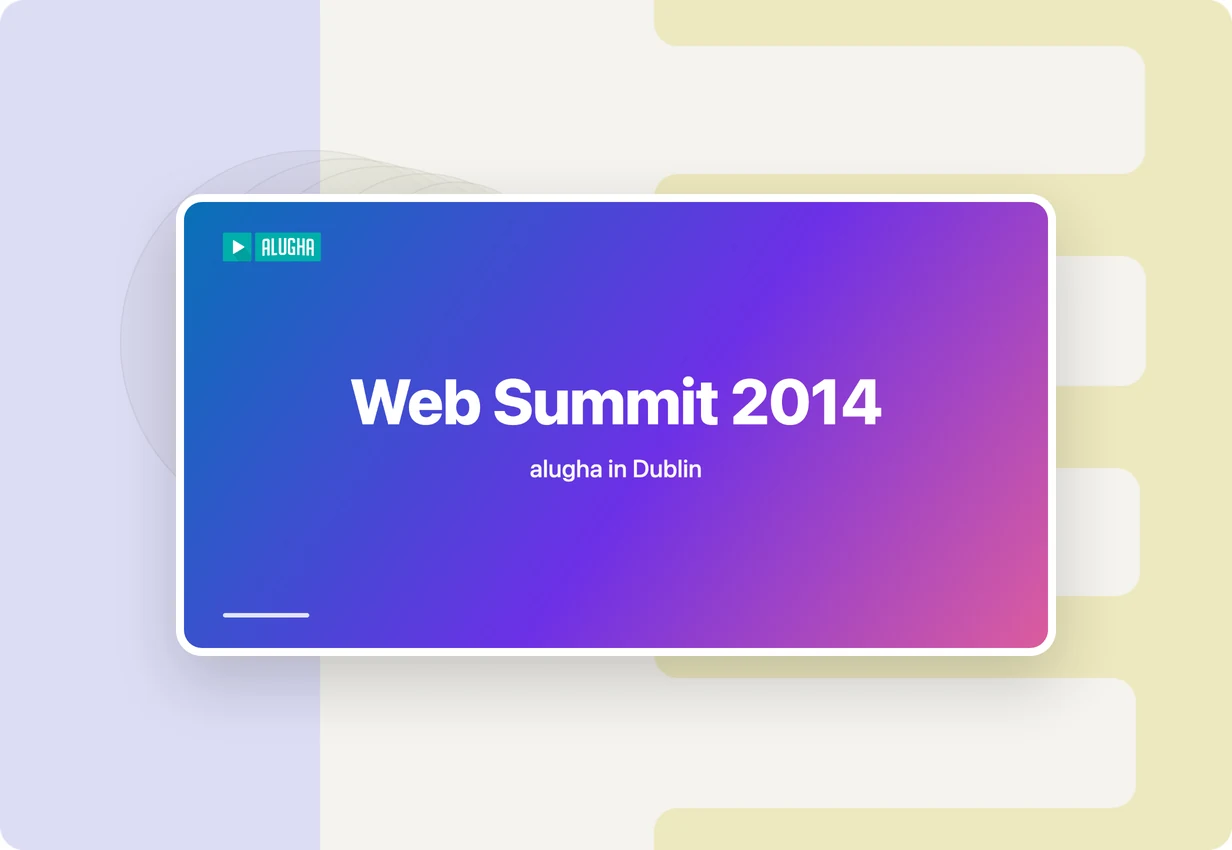
- alugha at Web Summit 2014: the alugha team exhibited at Web Summit in Dublin, 4 to 6 November 2014, one of the most important events in the world for start-ups.
- The booth message was multilingual video: one source video, many language tracks, so a worldwide audience can watch in its own language without a separate edit per market.
- Real demand from real teams: the management team of TV chef Jamie Oliver stopped by looking for a long-term way to make daily web videos multilingual, alongside video-learning and portal companies.
- A Google milestone: alugha’s CEO was among 150 CEOs invited to Google’s headquarters, and the team won cloud services worth 10,000 euros in the start-up challenge.
- The idea behind it still ships today: alugha builds multilingual and accessible video on a GDPR-compliant platform hosted in Germany. alugha turns that booth conversation into a product.
- Why it mattered: Dublin put alugha’s multilingual video approach in front of founders, investors, and enterprise teams from across the globe, and the feedback set the direction.
What alugha did at Web Summit 2014
From 4 to 6 November 2014, Web Summit took over Dublin, and alugha was there. Web Summit was already one of the most important gatherings in the world for start-ups, where founders, investors, and enterprise decision-makers meet to see where technology is heading. The year before, investors had put more than 333 million into the companies in the room, and names like Bono of U2 and the actress Eva Longoria had mentored young companies. For a small team building multilingual video, getting into that room was a genuine milestone.
The first day was registration and walking the floor, and even then exhibitors who already knew alugha came by to see it in person. The message at the booth was simple, and it has not changed since: your video reaches further when every viewer can watch it in their own language. The team showed how a single source video becomes a global, multilingual release, with no translation friction.
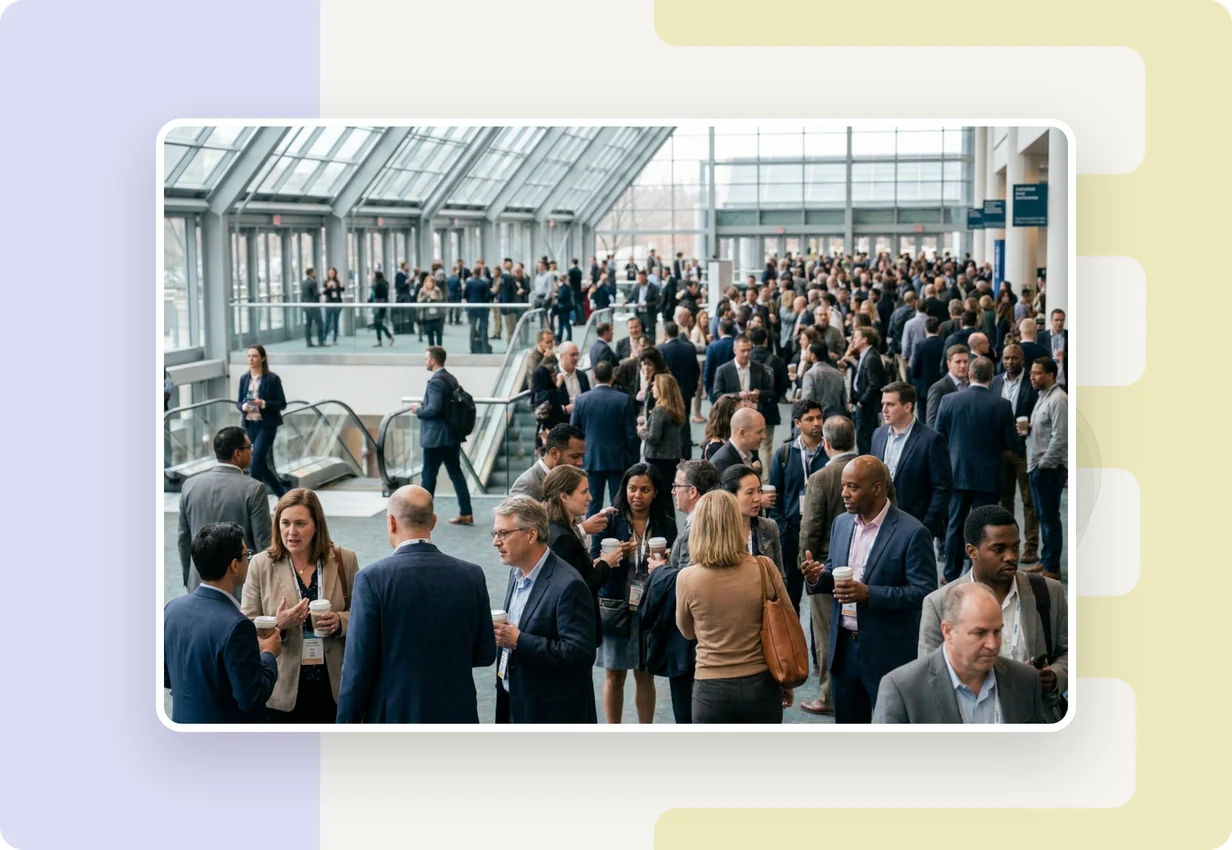
By the second day the booth was busy. Compared to earlier outings, the team noticed a clear jump in interest, and the rush of visitors beat every expectation. People wanted to see how the workflow actually worked, from one upload to many languages in the same player.
Highlights from the booth in Dublin
A few moments from those three days explain why the team left Dublin convinced it was building the right thing.
- Jamie Oliver’s team came looking for a solution: the TV chef’s management team visited the booth searching for a long-term way to make their daily web videos multilingual. Popular chefs like multilingual video too.
- Video-learning and portal companies dropped by: teams running video-learning platforms came specifically for a live impression of alugha.
- The next Web conference noticed: the team behind the following Web event in New York visited the booth too.
- An exclusive invitation to Google: alugha’s CEO was invited, with 150 other CEOs, to Google’s headquarters, hosted by Urs Hölzle, one of Google’s earliest employees and a senior vice president.
- A 10,000-euro win: Google announced cloud-service support for promising tech start-ups, and alugha entered the challenge and won services worth 10,000 euros.
A Google workshop on how the company hires turned into a useful mirror for a young team. More than anything, those conversations with Google gave the team the impulses it needed for what came next.
Why Web Summit mattered for multilingual video
Web Summit gathered a global crowd speaking dozens of languages, which is exactly why it was the right room for a platform built around multilingual video. From a celebrity chef’s team to enterprise video-learning companies, the recurring theme at the booth was the same: video carries the message now, and a single video in one language quietly leaves most of the world out. Cutting a separate edit for every market is slow and expensive.
alugha approached this differently from the start. One video stays the source of truth, and many language tracks are layered onto the same file. Viewers pick their language directly in the player, so there is no library of regional files to maintain and no version drift between markets. That is the foundation that grew into today’s video translation platform, and the same logic now powers business video dubbing that scales global marketing impact.
Accessibility at scale: subtitles and audio description
The other half of reaching everyone is accessibility, and it aligns with European accessibility expectations that more companies now have to meet. alugha produces accessible subtitles and audio description as part of the normal workflow rather than as an afterthought. Subtitles support viewers who are deaf or hard of hearing and people watching in a second language. Audio description opens the same video to viewers who are blind or have low vision. Both travel with the single multilingual file, so accessibility scales with every language you add.
From a Dublin booth to a working platform
The promise made at the booth in 2014 is now the daily product. What a visitor saw in Dublin you can run end to end today:
- Multilingual content: reach international audiences with translations switchable directly in the player.
- Accessible media: professional accessible subtitles and audio description.
- Efficient workflows: AI-assisted transcription, translation, and voices.
- GDPR-compliant green hosting: GDPR-compliant video hosting in Germany.
And if data protection is a hard requirement, the same platform offers secure video hosting in Germany, so reach and compliance no longer pull against each other.
FAQ
When and where was Web Summit 2014?
Web Summit 2014 ran from 4 to 6 November 2014 in Dublin, Ireland. It was already one of the most important events in the world for start-ups.
What did alugha do at Web Summit 2014?
alugha exhibited at Web Summit 2014 in Dublin and showed how one source video can be released in many languages from a single file. Visitors included the management team of TV chef Jamie Oliver and several video-learning companies looking for a multilingual solution.
What did alugha win at Web Summit 2014?
alugha won cloud services worth 10,000 euros in Google’s start-up challenge. alugha’s CEO was also among 150 CEOs invited to an exclusive session at Google’s headquarters, hosted by Urs Hölzle.
Why did Web Summit matter for alugha?
Web Summit put alugha’s multilingual video approach in front of founders, investors, and enterprise teams from around the world. The strong response, and especially the conversations with Google, gave the young company its direction.
How does alugha handle multilingual video?
alugha keeps one source video and layers multiple language tracks onto the same file. Viewers select their language in the player, so a single embed serves every market. That removes the per-language file library and keeps every version in sync.
Is alugha video hosting GDPR-compliant?
Yes. alugha hosts video in Germany with GDPR-compliant infrastructure, so enterprise content stays inside an EU data-protection framework.
Date: 4 to 6 November 2014. Location: Dublin, Ireland. More information about the conference is on the official Web Summit website.