Key takeaways
- alugha at the media production technology show 2022: meet the alugha team at the must-attend event for media and broadcast in London, 11 to 12 May 2022, Olympia London, Booth U524.
- The booth focus is multilingual and accessible video for media production: translations in over 200 languages, professional subtitles, and audio description, produced with alugha Dubbr.
- One video, many languages: a single alugha embed carries every language track, so production houses and media teams stop maintaining one file per language and per market.
- Accessibility is built in, not bolted on: subtitles and audio description make programming inclusive and ready for European accessibility expectations.
- Hosting is GDPR-compliant and runs in Germany, so data protection and sustainability come without trading away reach. alugha ships this as the default.
- MPTS covers the full content chain: pre-production, production, post, and distribution, with live product demos and seminar sessions from across the broadcasting industry.
What alugha brings to the Media Production & Technology Show 2022
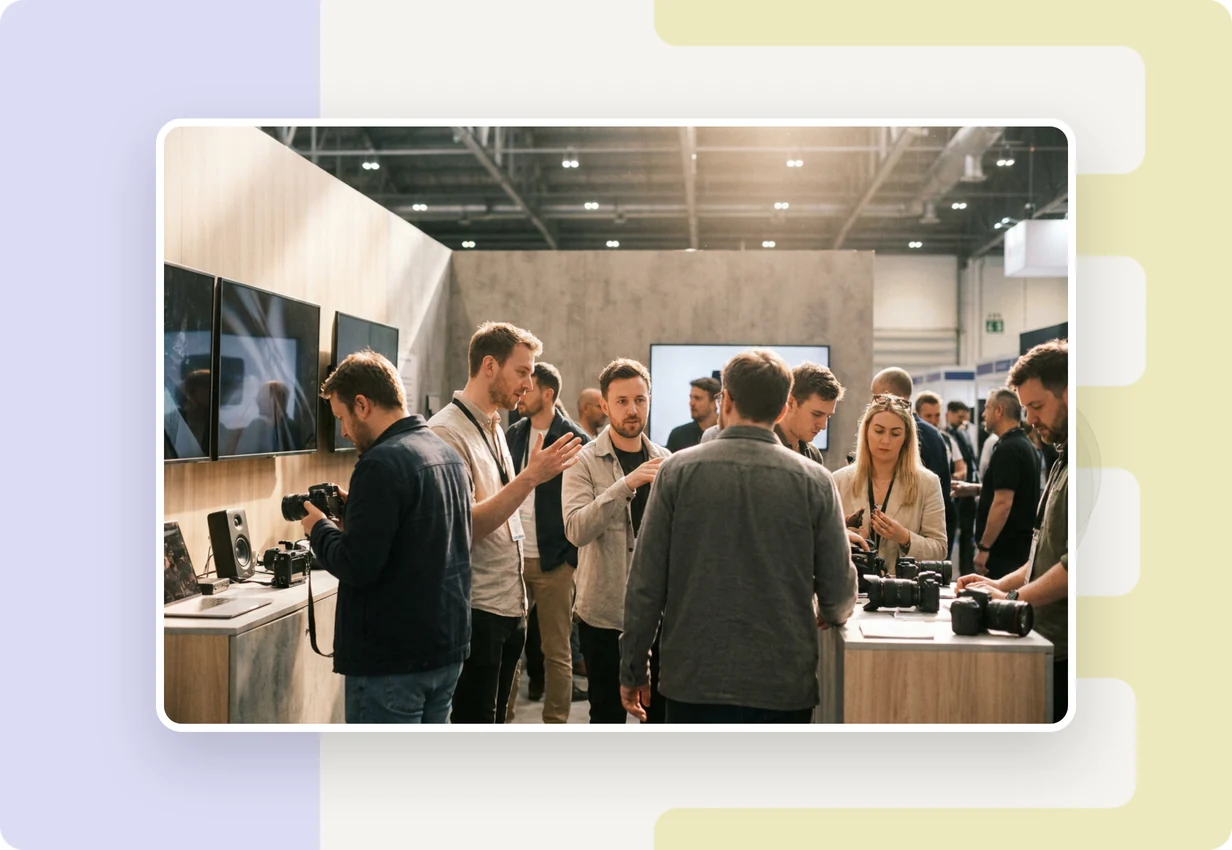
From 11 to 12 May 2022, the Media Production & Technology Show opens at Olympia London, and alugha is in the middle of it. MPTS is the must-attend event for the media and broadcast industries, and the alugha team is at Booth U524 to be part of that conversation.
MPTS covers every aspect of content creation, from pre-production and production to post and distribution, so it is the place to discover the current and future trends shaping the broadcasting industry. The interactive exhibition gathers innovative companies for live product demos and advice, and the seminar theatres are known for the quality of their case studies and speakers, covering technology, audio, production and lighting, post-production, and sports broadcasting. For a platform built around multilingual and accessible video, there is no better room to be in.
alugha turns two of media’s hardest distribution problems, language and accessibility, into a single workflow. With alugha Dubbr, broadcasters, production houses, and media teams produce multilingual and accessible video and podcasts efficiently, then deliver everything from one place instead of juggling separate files per language and per region.
Why multilingual video matters in media and broadcast
Audiences are more international than they have ever been, and viewers stay with content longer when it reaches them in their own language. A single programme in one language quietly leaves part of the audience behind, and producing a separate edit for each territory is slow and expensive. For broadcasters and streaming teams working against tight release windows, the per-market re-edit is one of the costliest parts of distribution.
alugha approaches this differently. One video stays the source of truth, and many language tracks are layered onto the same file. Viewers pick their language directly in the player, with translations available in over 200 languages. There is no multi-file library to maintain, no version drift between territories, and no re-upload when a correction lands. For media teams, that means one source of truth, lower maintenance, and content that travels across markets without a re-edit. The same logic powers the kind of business video dubbing that scales global reach without scaling the workload.
Accessibility in media: subtitles and audio description
Inclusive programming is not a nice-to-have. Accessible content widens who can watch a video, and it aligns with European accessibility expectations that more broadcasters and media providers now have to meet. The practical question is how to produce accessible media without doubling the workload on every title.
At the booth, alugha shows how accessible subtitles and audio description are produced as part of the normal workflow rather than as an afterthought. Subtitles support viewers who are deaf or hard of hearing, viewers in noisy environments, and people watching in a second language. Audio description opens the same programme to viewers who are blind or have low vision. Both travel with the single multilingual file, so accessibility scales with every language you add.
What you can see at the alugha booth
Stop by Booth U524 to see how alugha Dubbr supports your content from end to end:
- Multilingual content: reach international audiences with translations in over 200 languages, switchable in the player.
- Accessible media: build inclusive content with professional accessible subtitles and audio description.
- Efficient workflows: AI-assisted transcription, translation, and voices that save time and resources across a full catalogue.
- Secure, GDPR-compliant hosting: secure video hosting in Germany that sets a standard for data protection and sustainability.
See it live at the booth and get practical tips from the alugha experts on turning a single video into a multilingual, accessible asset.
Who the Media Production & Technology Show 2022 is for
- Broadcasters and streaming services: localize programming for every territory without rebuilding it per language.
- Production houses and post teams: fold subtitles, dubbing, and audio description into the existing pipeline.
- Enterprises and organizations: communicate internationally and inclusively while meeting GDPR requirements.
Plan your visit to the media production technology show 2022
MPTS 2022 runs from 11 to 12 May 2022 at Olympia London, National Hall, Hammersmith Road, London W14 8UX, and alugha is at Booth U524 for both days. Plan a few minutes for a live walkthrough: bring a video you already distribute, and the team can show how it becomes multilingual and accessible inside one workflow. For the seminar programme, registration, and directions, see the official Media Production & Technology Show website.
FAQ
When and where is the media production technology show 2022?
The Media Production & Technology Show 2022 runs from 11 to 12 May 2022 at Olympia London, National Hall, Hammersmith Road, London W14 8UX. You can find alugha at Booth U524.
Where can I meet alugha at the media production technology show 2022?
alugha is at Booth U524 for both days of the show, 11 to 12 May 2022. The team is there for live demos and questions about multilingual, accessible video.
What does alugha show at MPTS 2022?
alugha shows alugha Dubbr for multilingual and accessible video and podcasts: translations in over 200 languages, professional subtitles, audio description, AI-assisted workflows, and GDPR-compliant hosting in Germany.
How does alugha handle multilingual video for broadcast?
alugha keeps one source video and layers multiple language tracks onto the same file. Viewers select their language in the player, so a single embed serves every territory. That removes the per-language file library and keeps every version in sync.
Does alugha support accessible video for media and broadcast?
Yes. alugha produces professional subtitles and audio description inside the same workflow, so accessible programming does not require a separate production. Subtitles and audio description travel with the multilingual file across every language.
Is alugha video hosting GDPR-compliant?
Yes. alugha hosts video in Germany with GDPR-compliant infrastructure, so media and enterprise content stays inside an EU data-protection framework.
Date: 11 to 12 May 2022. Location: Olympia London, National Hall, Hammersmith Road, London W14 8UX, Booth U524. More information about the show is on the official Media Production & Technology Show website.