Search results for “ScienceCasts”

ScienceCasts: Synthetic Muscles

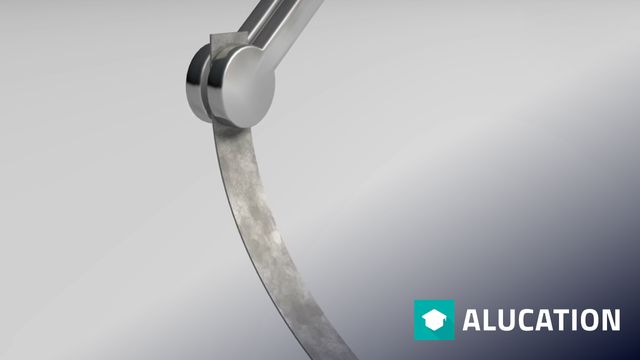
ScienceCasts has passed 200 episodes! Tell us in the comments which has been your favorite! NASA supported researchers are working on Synthetic Muscles that could be used to create humanoid robots for space exploration. Visit http://science.nasa.gov/ for more. http://www.nasa.gov/station Click h
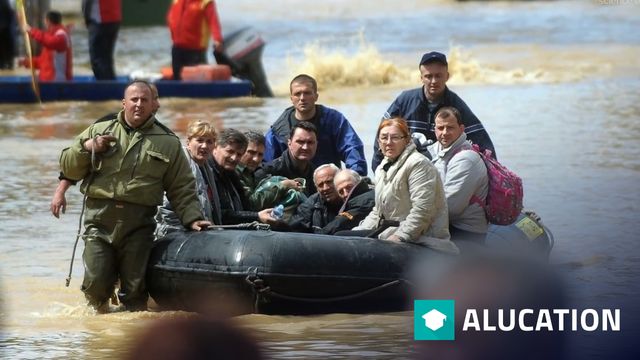
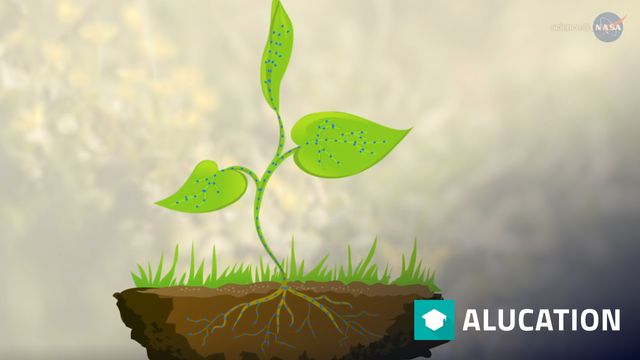
ScienceCasts: Predicting Floods

Satellite Based Flood Monitoring Central to Relief Agencies Disaster Response: http://www.nasa.gov/feature/goddard/satellite-based-flood-monitoring-central-to-relief-agencies-disaster-response Visit http://science.nasa.gov/ for more. To download this episode, go to http://sciencecasts.nasa.gov/ Pr

NASA ScienceCasts: Reach For It

During the Year of Education on Station, NASA astronauts Joe Acaba and Ricky Arnold have shared their love of STEM and their passion for teaching. Year of Education on Station: http://www.nasa.gov/stemonstation NASA Science: http://science.nasa.gov/ Click here to see more videos: https://alugha.c

ScienceCasts: The Power of Light

A new NASA study is investigating how different light spectra can be used to effect astronauts' sleep, or lack of sleep. NASA Science: http://science.nasa.gov/ International Space Station: http://www.nasa.gov/station Click here to see more videos: https://alugha.com/NASA

ScienceCasts: To Bennu and Back

NASA's OSIRIS-REx spacecraft is scheduled to launch on a mission to orbit, map and collect samples from the asteroid Bennu, and return to Earth 7 years later. OSIRIS-REx: http://www.asteroidmission.org/ Visit http://science.nasa.gov/ for more Click here to see more videos: https://alugha.com/NASA

ScienceCasts: Quantum Foam

Researchers have used NASA space telescopes to prove that space-time is much less "foamy" than some models predict.  Understanding their result requires a trip into the world of quantum physics. Visit http://science.nasa.gov/ for more. Click here to see more videos: https://alugha.com/NASA

ScienceCasts: Amazing Moons

When the Space Age began, explorers were eager to visit the planets of the solar system. As the years have passed, however, astronomers have realized that the moons of the solar system may be even more interesting. Visit http://science.nasa.gov/ for more. Click here to see more videos: https://alu

ScienceCasts: Planetary Defense

NASA's Planetary Defense Coordination Office is working to keep Earth safe from asteroids and other hazards that come from deep space. Visit http://science.nasa.gov/ for more. NASA Planetary Defense: http://www.nasa.gov/planetarydefense Click here to see more videos: https://alugha.com/NASA

ScienceCasts: Views of Home

Cameras on NASA spacecraft have treated us to intriguing and inspiring perspectives of our home planet as they've looked back at Earth from various locales. Visit http://science.nasa.gov/ for more. Click here to see more videos: https://alugha.com/NASA

ScienceCasts: Space Coffee

Advances in the understanding of how fluids behave in low gravity is key to spacecraft operations. A long-awaited spin-off is an excellent cup of coffee in space. For updates from the International Space Station go to http://www.nasa.gov/station Visit http://science.nasa.gov/ for more. Click here

ScienceCasts: Space Vision

Many astronauts report a blurring of their eyesight in microgravity. Researchers are trying to get to the bottom of this phenomenon before astronauts travel to Mars and beyond. Visit http://science.nasa.gov/ for more. http://www.nasa.gov/station http://www.nasa.gov/mission_pages/station/research/e

ScienceCasts: A Supermoon Trilogy

Visit http://science.nasa.gov/ for more. A series of three supermoons will appear on the celestial stage on December 3, 2017, January 1, 2018, and January 31, 2018. Click here to see more videos: https://alugha.com/NASA