Search results for “Neptun”

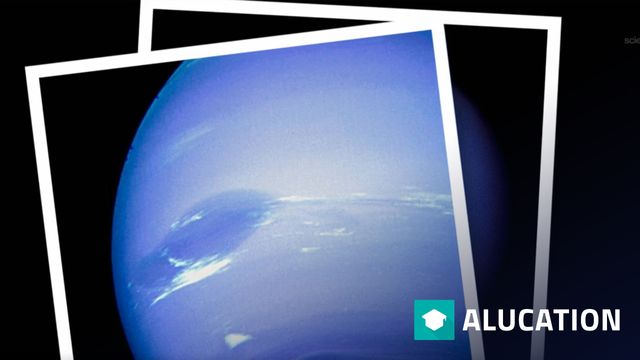
NASA ScienceCasts: Eye on Neptune

Click here to see more videos: https://alugha.com/NASA Neptune will be at opposition in September, providing sky watchers and astronomers the opportunity to observe this planet that is invisible to the naked eye, but that scientists would love to see more clearly. NASA Science: http://science.nasa
First Spacecraft at Neptune | NASA Planetary Sciences

Learn about the Voyager 2 mission to Neptune in this video from NASA. Voyager 2 reached Neptune in 1989, 12 years after launch, and the flyby was the first and only time a spacecraft has visited Neptune. The planet appears blue because of the methane in its atmosphere. Voyager 2 discovered at least

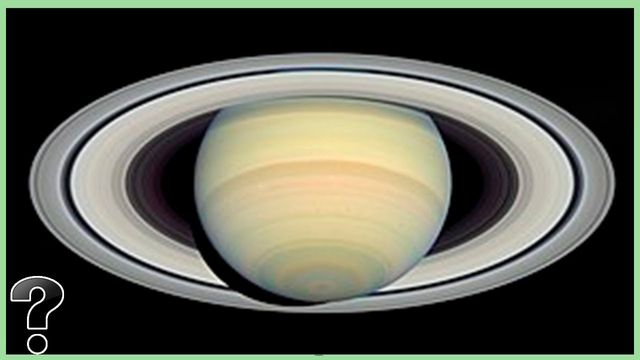
Why Does Saturn Have Rings?

Saturn is unique. Unlike the other 8 planets in our solar system Saturn has one thing going for it the others are lacking. Rings! Beautiful, multicoloured rings, make the 6th planet from the sun a cosmic marvel, but how and why are they there? Click here to see more videos: https://alugha.com/Life

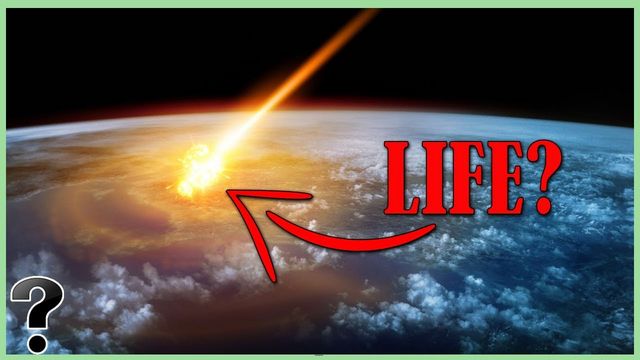
Where Did Life Come From?

Click here to see more videos: https://alugha.com/LifesBiggestQuestions Our earth is really old. Estimates put the age of our earth at 4.5 billion years. For 1.5 billion years, it was desolate, no life existed. But Somewhere around 3 billion years ago, life began to sprout on planet earth. Scientis

The Evolution of the Kuiper Belt | NASA Planetary Sciences

Learn about Neptune's gravitational effect on dust contained in the Kuiper belt and discover how it could help astronomers look for planets around other stars. This video from NASA explores the idea that if would-be alien astronomers were looking for planets around the Sun, they could potentially de

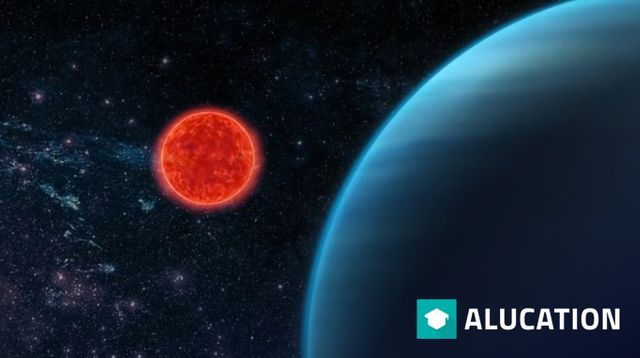
ScienceCasts: Worlds within Worlds

Astronomers using NASA’s Hubble Space Telescope have discovered an immense cloud of hydrogen evaporating from a Neptune-sized planet named GJ 436b. The planet’s atmosphere is evaporating because of extreme irradiation from its parent star. Visit http://science.nasa.gov/ for more. Click here to see

What Hubble Taught Us About The Planets

Learn about the Hubble Space Telescope's contributions to our scientific understanding of the solar system in this video from NASA. Hubble has studied all of the planets in the solar system except Mercury. Some of Hubble's notable accomplishments include observations of the climate of Venus, dust st

What If The Earth Had Rings?

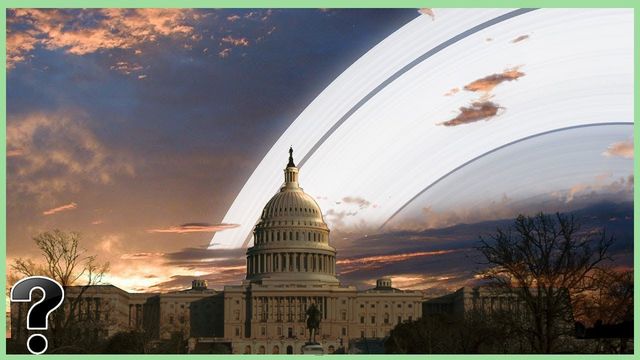
What If The Earth Had Rings? Subscribe To Life's Biggest Questions: https://bit.ly/2UeWkuQ Several planets in our universe have rings, most notably, Saturn, Jupiter, Neptune and so does Uranus. Many scientists believe that Billions of years ago, the earth had rings around it. They believe the ring