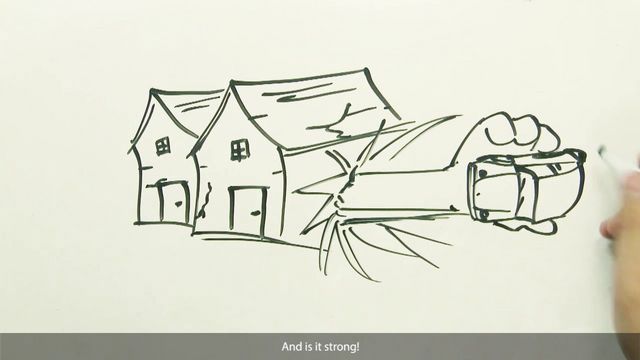
Tsunami Fast Draw
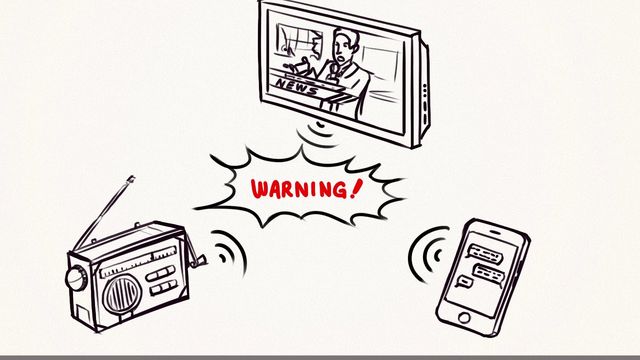
Know what to do if a tsunami hits—and the risks you face. Original video source: https://coast.noaa.gov/gallery/videos/tsunamifastdraw/video.html
Know what to do if a tsunami hits—and the risks you face. Original video source: https://coast.noaa.gov/gallery/videos/tsunamifastdraw/video.html
Know the risks of storm surge, and what to do when a storm approaches. Original video source: https://coast.noaa.gov/gallery/videos/stormsurgefastdraw/video.html
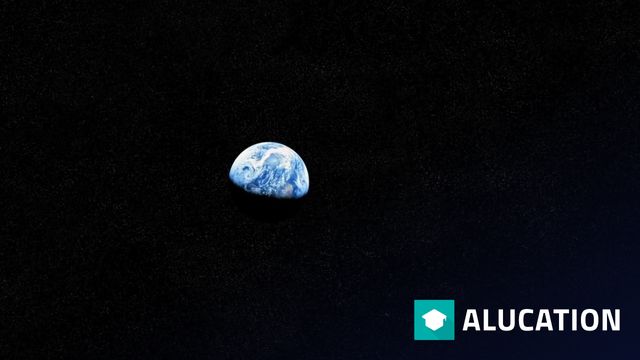
Visit http://science.nasa.gov/ for more. Find DSCOVR's daily images at http://epic.gsfc.nasa.gov/ The Deep Space Climate Observatory, a NOAA mission that carries NASA instruments, is providing a "new and complementary" view of Earth that is amazing scientists and lay people alike. Click here to s
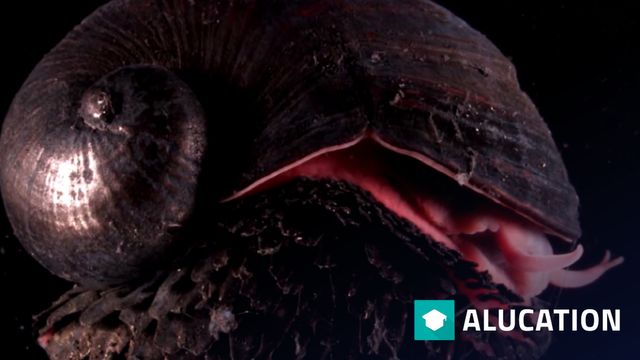
On this episode of Animal Fact Files discover the most metal animal on earth! You can learn more on: Twitter - https://twitter.com/animalfactfiles Facebook - https://facebook.com/animalfactfiles Jethroreading: ' Twitter - https://twitter.com/JethroReading Blog - https://hullotherewriting.wordpress
On this episode of Animal Fact Files discover an animal that makes an ecosystem. You can learn more on: Twitter - https://twitter.com/animalfactfiles Facebook - https://www.facebook.com/animalfactfiles/ --- All images, videos and sound effects used herein are 1) public domain, 2) used under a Cre
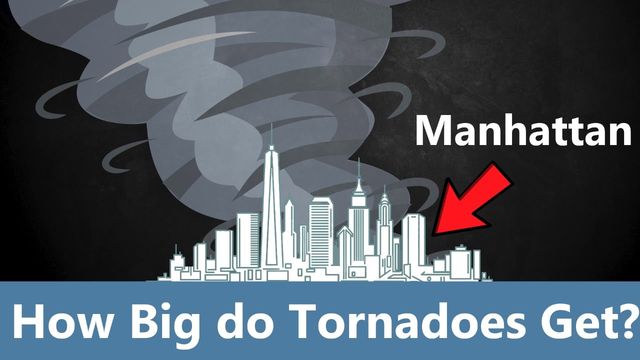
Click here to see more videos: https://alugha.com/producer/914676b8-f06e-11e7-88bf-55c26928806a Tornadoes can get extremely large, and that's terrifying. Watch this video to learn about the largest tornado ever known to have formed, the El Reno tornado in 2013. Music is by Brandon Maahs. Check out
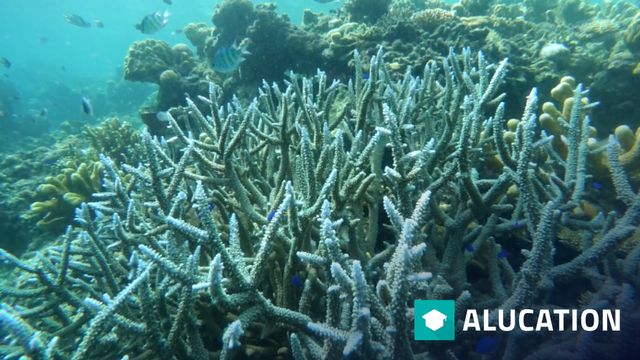
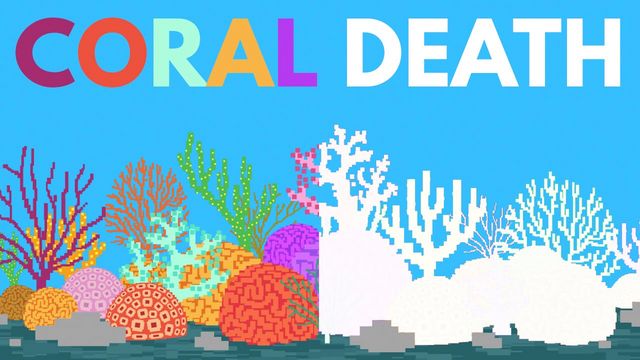
Coral reefs are lively ecosystems populating our ocean, but what happens if they all die? What are the consequences? Click here to see more videos: https://alugha.com/LifeNoggin Follow Us! https://twitter.com/LifeNoggin https://facebook.com/LifeNoggin Life Noggin is a weekly animated educational
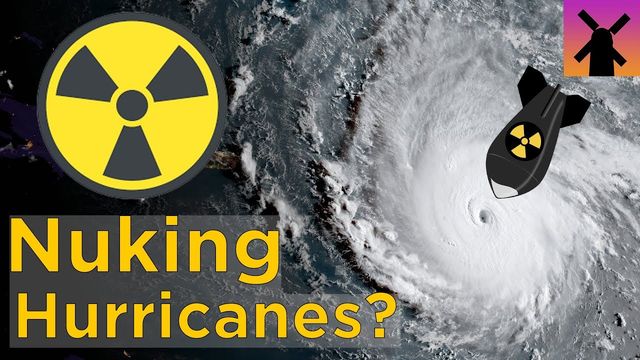
Help out with hurricane disaster relief for free with Tab For a Cause: http://tab.gladly.io/r/reallifelore Please Subscribe:https://alugha.com/RealLifeLore Music is by Brandon Maahs. Check out his website and music by clicking this link: http://www.brandonmaahs.com/audio-reel Facebook: https://w
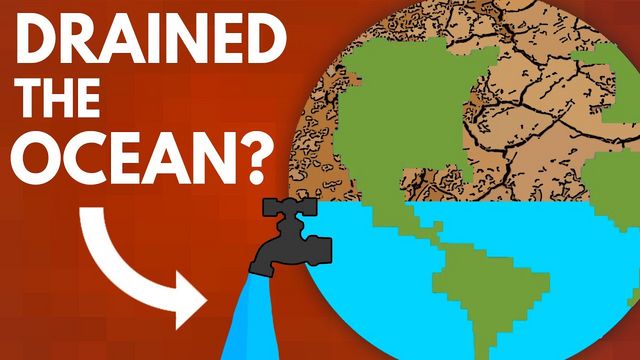
Click here to see more videos: https://alugha.com/LifeNoggin Follow Life Noggin! Facebook: https://www.facebook.com/LifeNoggin/?ref=br_rs Instagram: https://instagram.com/lifenoggin/ Twitter: https://twitter.com/lifenoggin Official Website: https://lnstudios.co/ We are LIFE NOGGIN! An animated and
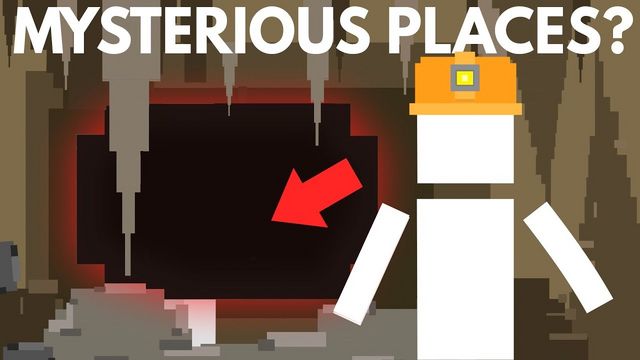
There are places on planet earth that very few humans have explored. Let's look at some of those mysterious destinations! Follow Life Noggin! Facebook: https://www.facebook.com/LifeNoggin/?ref Instagram: https://instagram.com/lifenoggin/ Twitter: https://twitter.com/lifenoggin Official Website: htt
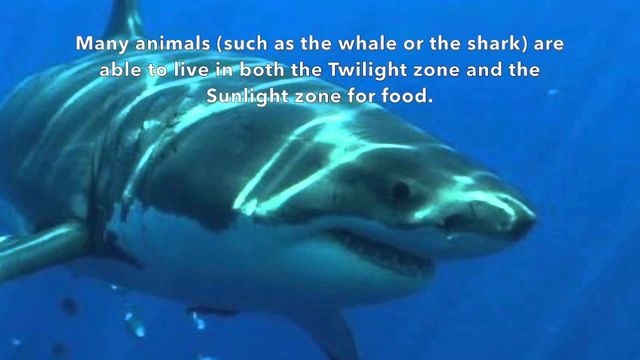
The information in this video can also be found at the website of National Ocean Service: https://oceanservice.noaa.gov/facts/light_travel.html
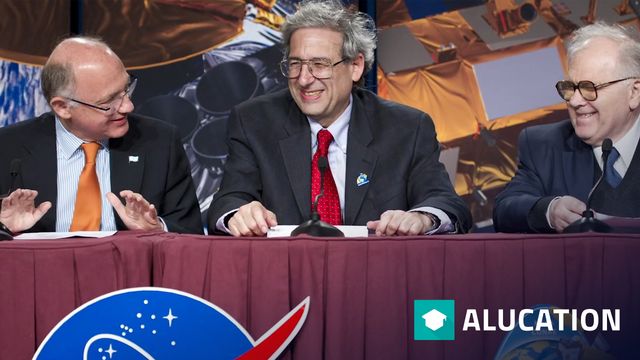
Click here to see more videos: https://alugha.com/NASA A key ocean observation satellite launching this fall has been named after Earth scientist Michael Freilich, as announced Jan. 28 by NASA, ESA (European Space Agency), the European Organisation for the Exploitation of Meteorological Satellites