Search results for “Computers Multimedia Music and Audio Software Educational Theory and Ear Training”

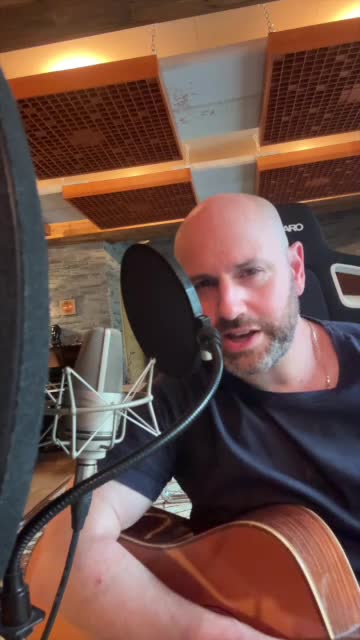
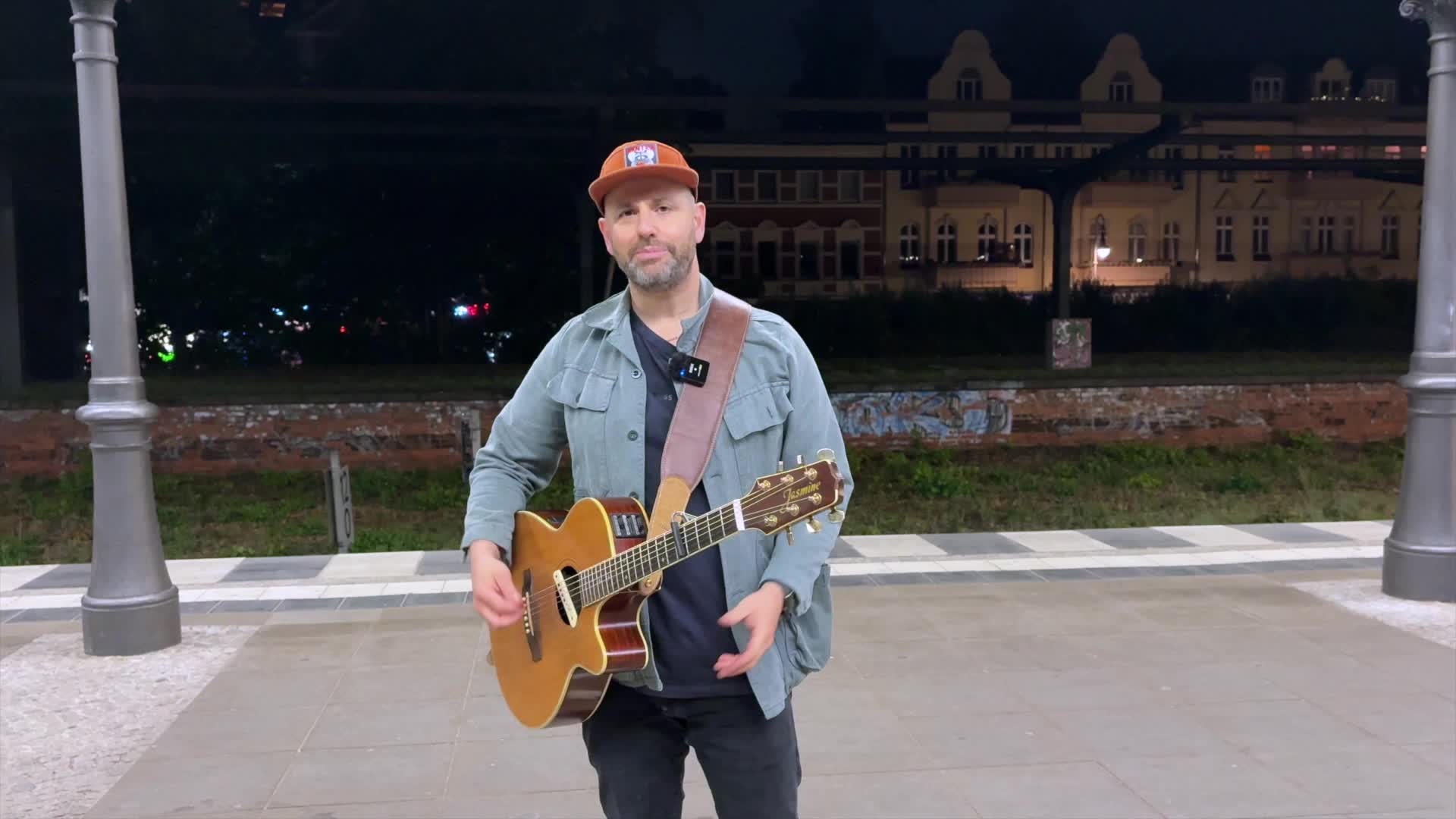
Get On the Night Train - Bewake Studios

GET ON THE NIGHT TRAIN https://open.spotify.com/track/70hR36BPORVGiQaFnVGhEh?si=614331bac89a4b50   Night train, night train Get on the right train Everybody’s talking about it Get on the night train We’ll find a place We’ll find a place   If you knew back then on the day we met I would follow you Y

This Is Your Brain On Music

What happens to your brain when you listen to music? Life Noggin Team: Animation by Steven Lawson Director/Voice: http://lifenogg.in/patgraziosi Executive Producer: http://lifenogg.in/IanDokie Director of Marketing: http://lifenogg.in/JaredOban Writer: http://lifenogg.in/KayleeYuhas Sources: http

What Your Favorite Music Genre Says About You

There are many types of music genres out there. In this video, we discuss: pop music, rap or hip hop, rock or heavy metal music, indie music, classical music, country music, jazz, soul or blues, and dance music. According to a researcher and professor, Adrian North who specializes in applied psychol

Could Playing Music DRASTICALLY Change Your Brain?

You might've heard that playing an instrument makes you smarter. Is this true? Click here to see more videos: https://alugha.com/LifeNoggin Follow Life Noggin! Facebook: https://www.facebook.com/LifeNoggin/?ref=br_rs Instagram: https://instagram.com/lifenoggin/ Twitter: https://twitter.com/lifenog

What Your Musical Taste Says About You

Is music the most powerful way in which we express our personalities? Does our musical taste say more about who we really are than the clothes we wear or the friends we choose? The psychological effect of music on the human brain has been studied extensively… But what does your musical taste say abo

John Dewey's Principles of Education

There are few approaches that have had such a big impact on education as John Dewey's. The American philosopher, psychologist and educator believed that children should be active creators and the agents of their learning, and not just passive recipients of the knowledge of previous generations. Sp