Peep and the Big Wide World: Peep Plants a Seed
Peep discovers a patch of sunflowers and decides to grow one for himself.
Peep discovers a patch of sunflowers and decides to grow one for himself.
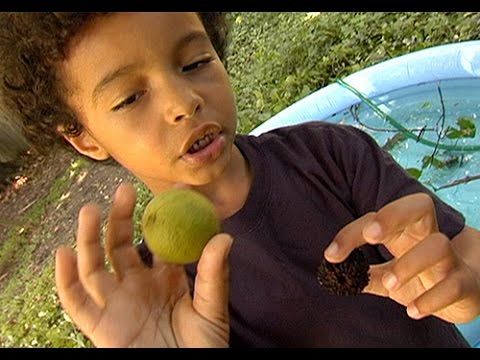
Some things float and other things sink. That's what the kids find out when they start putting stuff in the pool.
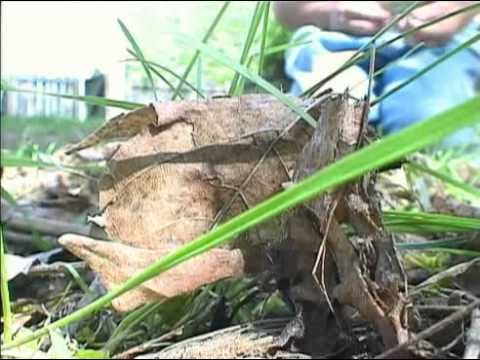
Using sticks, kids make a small square and then look very closely to see what living things they can find inside the square.
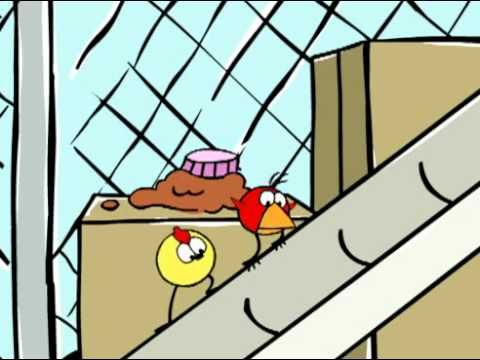
Peep, Chirp, and Quack discover the thrill of zipping down a slide-quite accidentally!
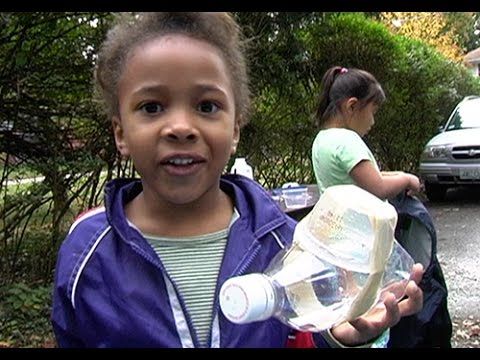
Making boats and floating them in a pool is fun. Sinking them is even more fun! The kids let their boats take on water and sink. They also make them sink by adding heavy cargo.
Explore natural and human made light sources in the environment in this live-action video produced by WGBH. The video can help children observe and identify light sources and describe objects that are visible in the light’s path. Support materials include: Background Reading, Teaching Tips, and Dis
Observe a group of children using light to communicate over a distance in this live-action video produced by WGBH. Use the video to observe strategies for using light to communicate across a distance as well as to design a light signal code to help you communicate to solve a problem from different l
Observe how precipitation develops, evolves, and moves across the globe with this NASA animation. This resource can stimulate student curiosity and interest in global precipitation patterns and provide opportunities for students to ask scientific questions that can be researched. Support materials
Learn about underwater volcanoes and the discovery of the erupting deep-ocean volcano West Mata. The video provides students with the opportunity to visualize a phenomenon that is too dangerous and too remote to experience. Students view a visualization of the ocean floor as well as footage that cap
Learn about factors, such as wind, moisture, temperature, and air pressure, at a regional level that help produce the weather that people experience locally. This video provides students with the opportunity to visualize a phenomenon that is too big and too remote to experience in a classroom. Stude
Explore the duration of daylight and the Sun’s apparent path in the sky in a northern hemisphere location during the solstices with this adapted WorldWide Telescope video. This resource gives students an opportunity to observe differences in the Sun’s apparent path across the sky and make evidence-b
Learn how gravity can be described as the curving of spacetime, according to Einstein’s general theory of relativity, in this video from NOVA: Black Hole Apocalypse. Computer animations illustrate the concept of warped spacetime and how objects “fall” along a curved path. Use this resource to visual